Regenerate Response
Exploring the influence of AI on image and sound, inspired by Kurt Schmidt's exploration of humans and machines.
Inspired by Kurt Schmidt's exploration of humans and machines, we examine the influence of artificial intelligence on image and sound. AI-driven models, with their extensive data pools, generate ever-new combinations, capturing fleeting moments in their unpredictable processes. Within this evolving interplay between humans and AI, notions of alignment, decision-making, selection, randomness, and control are continuously reconfigured.
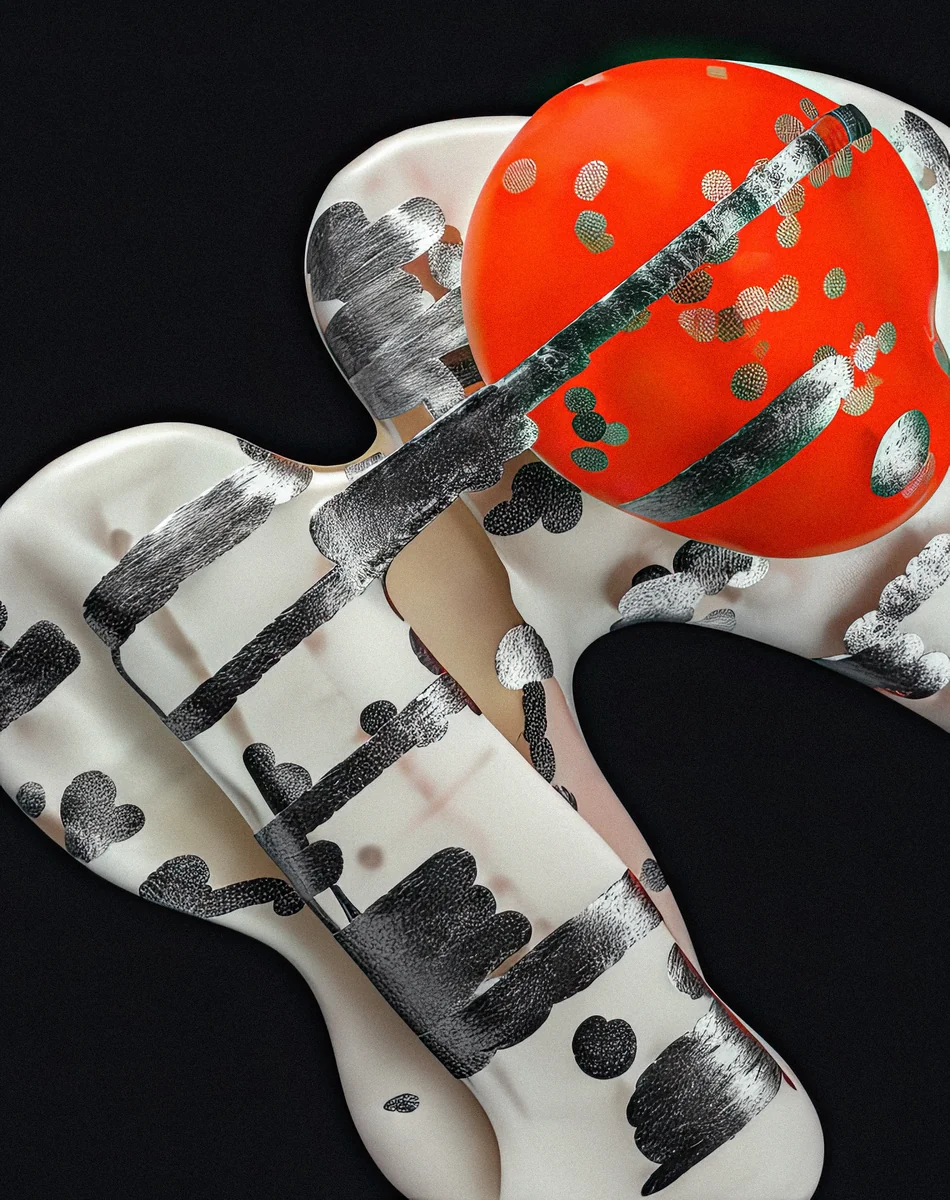
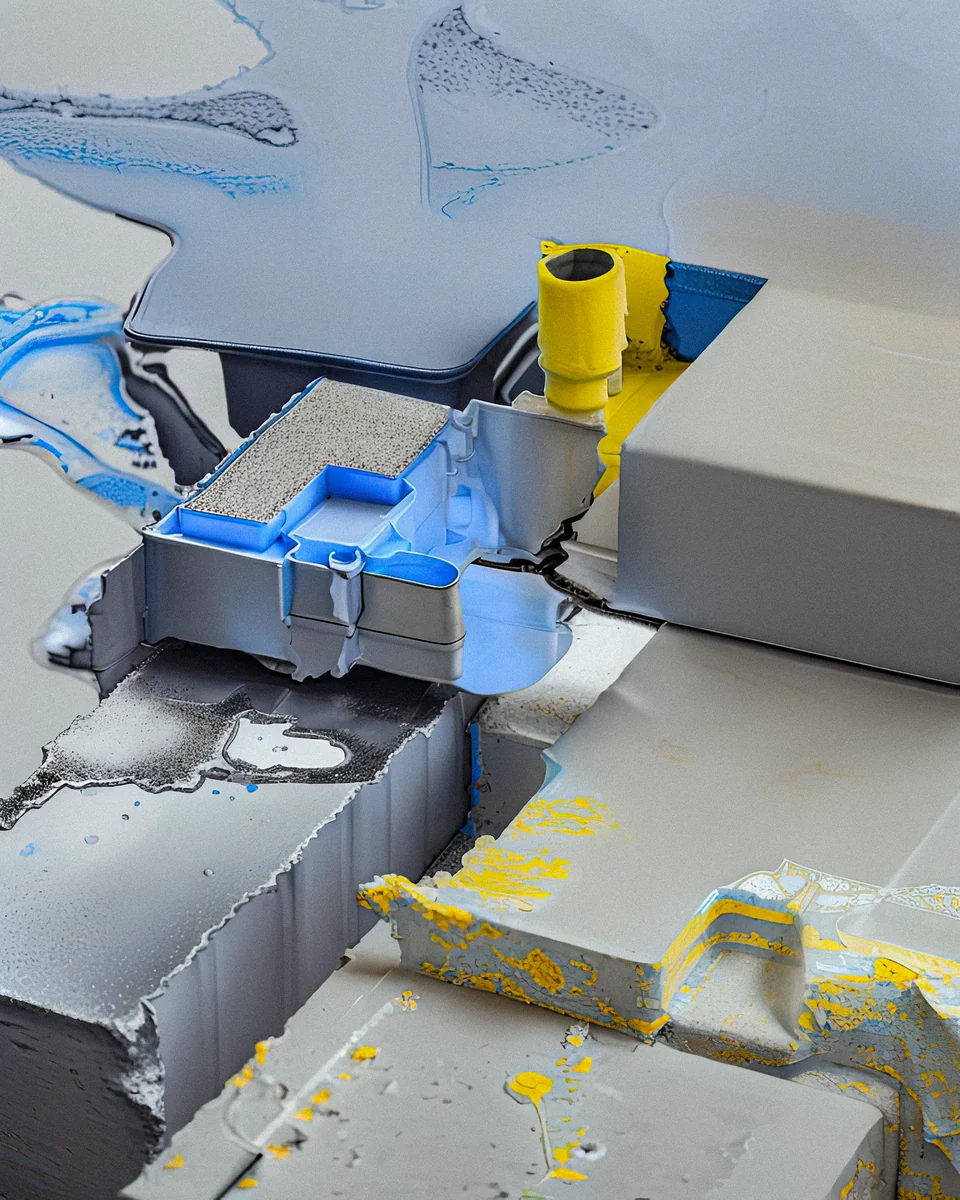
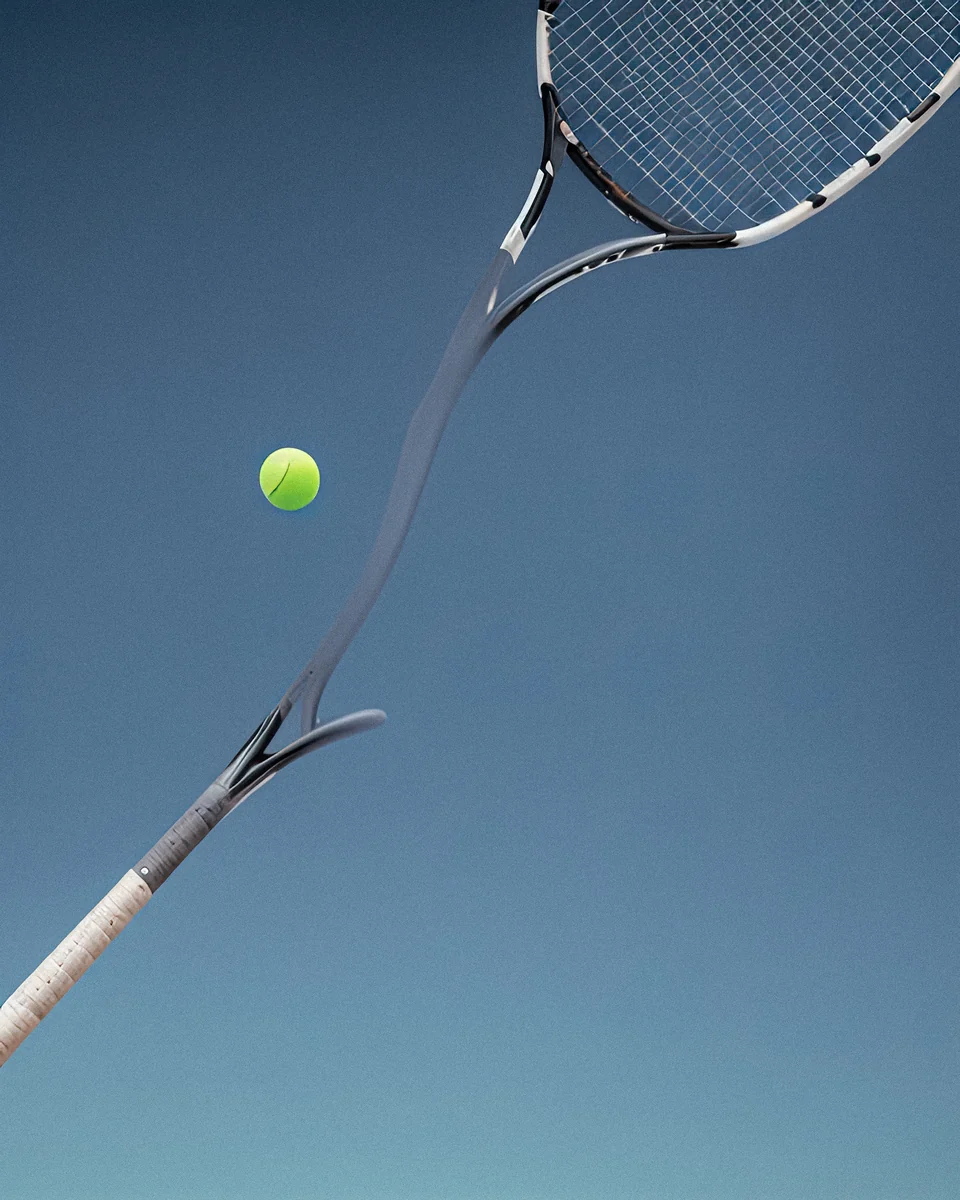
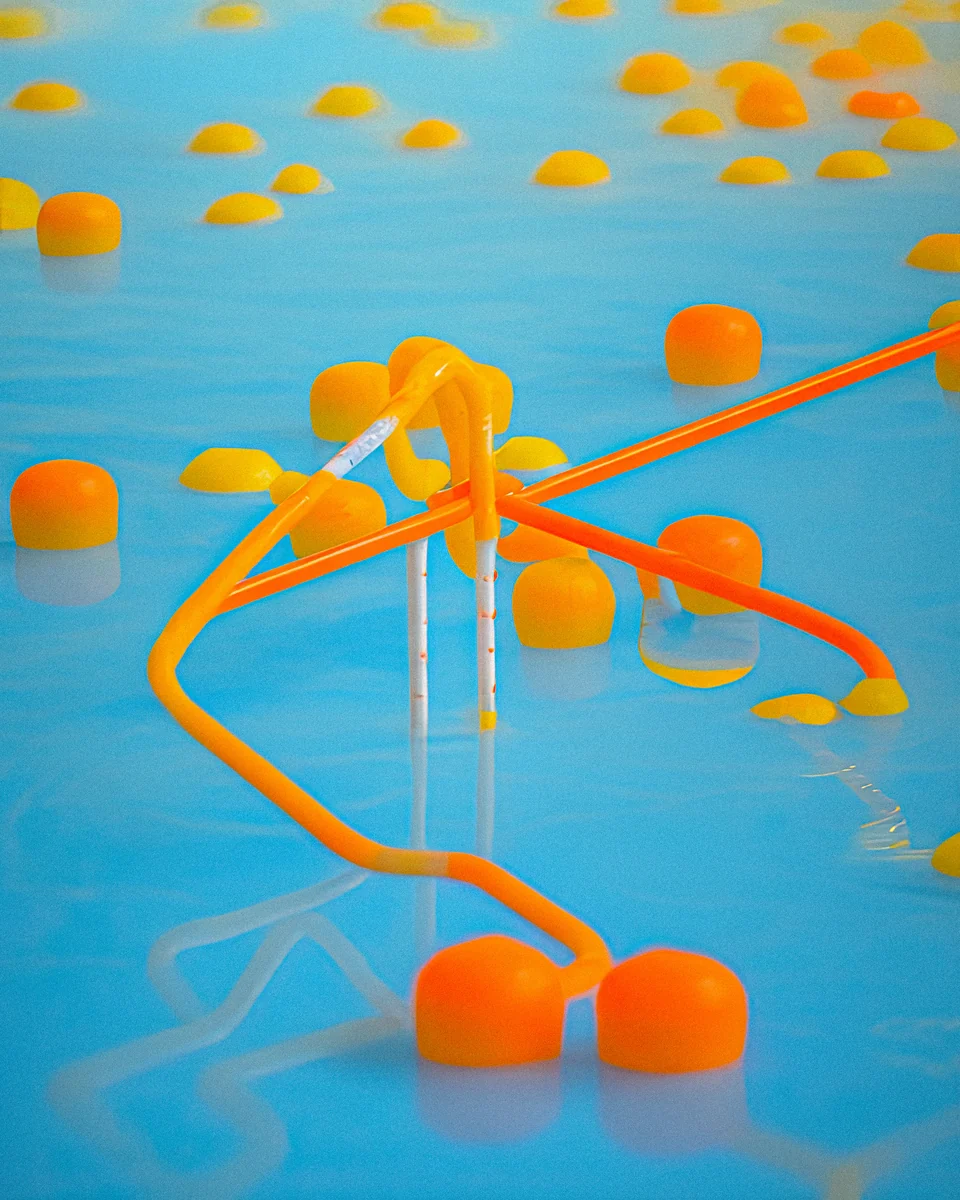
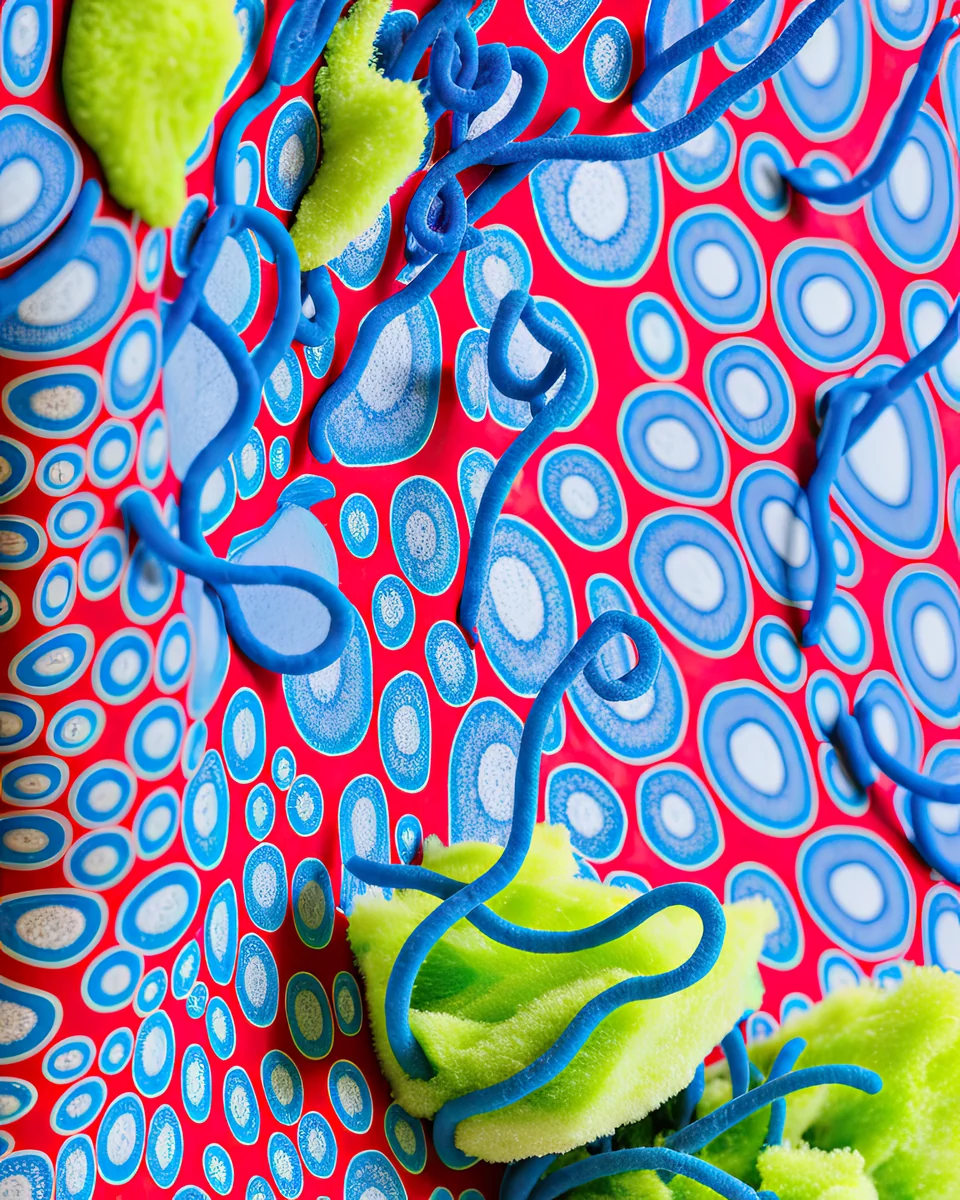
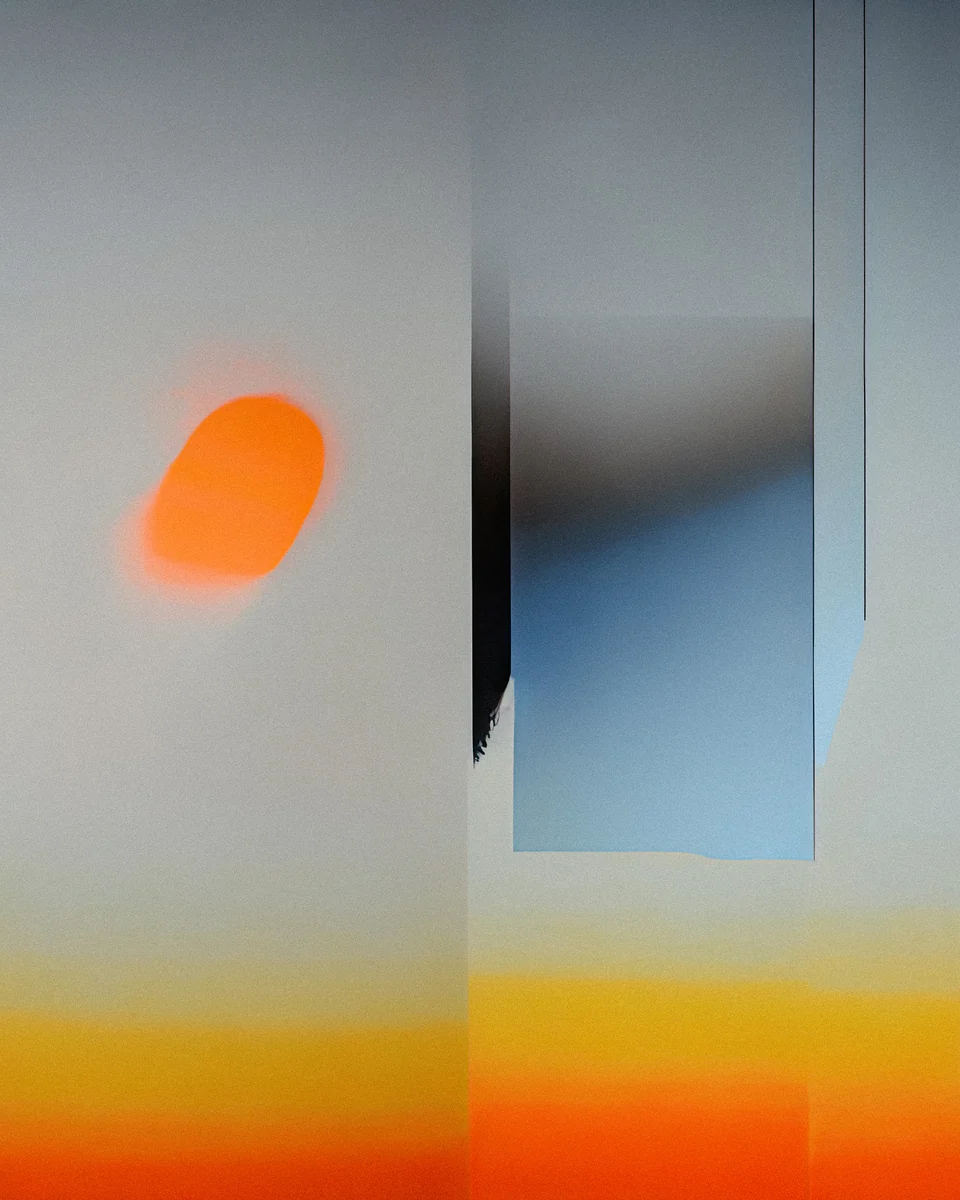
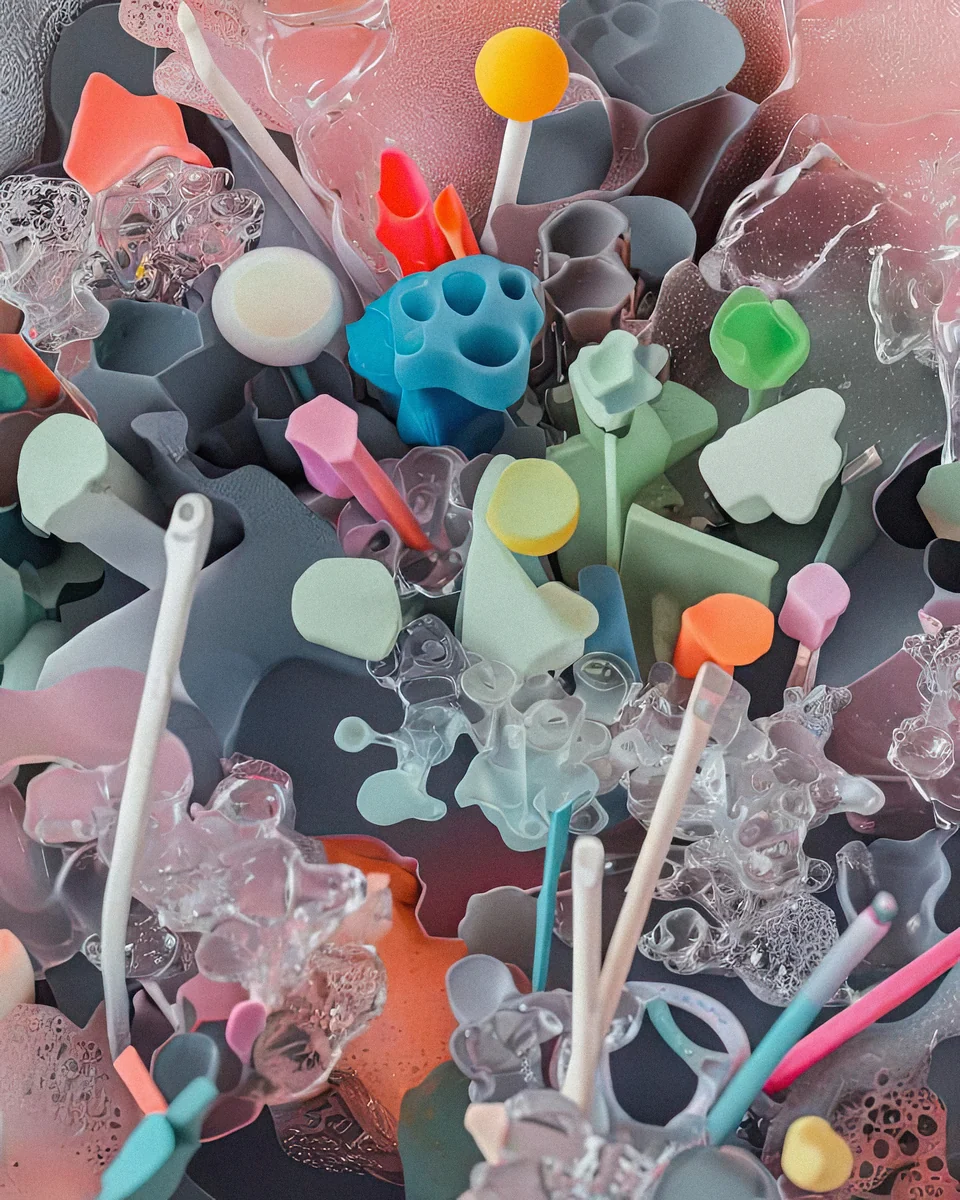
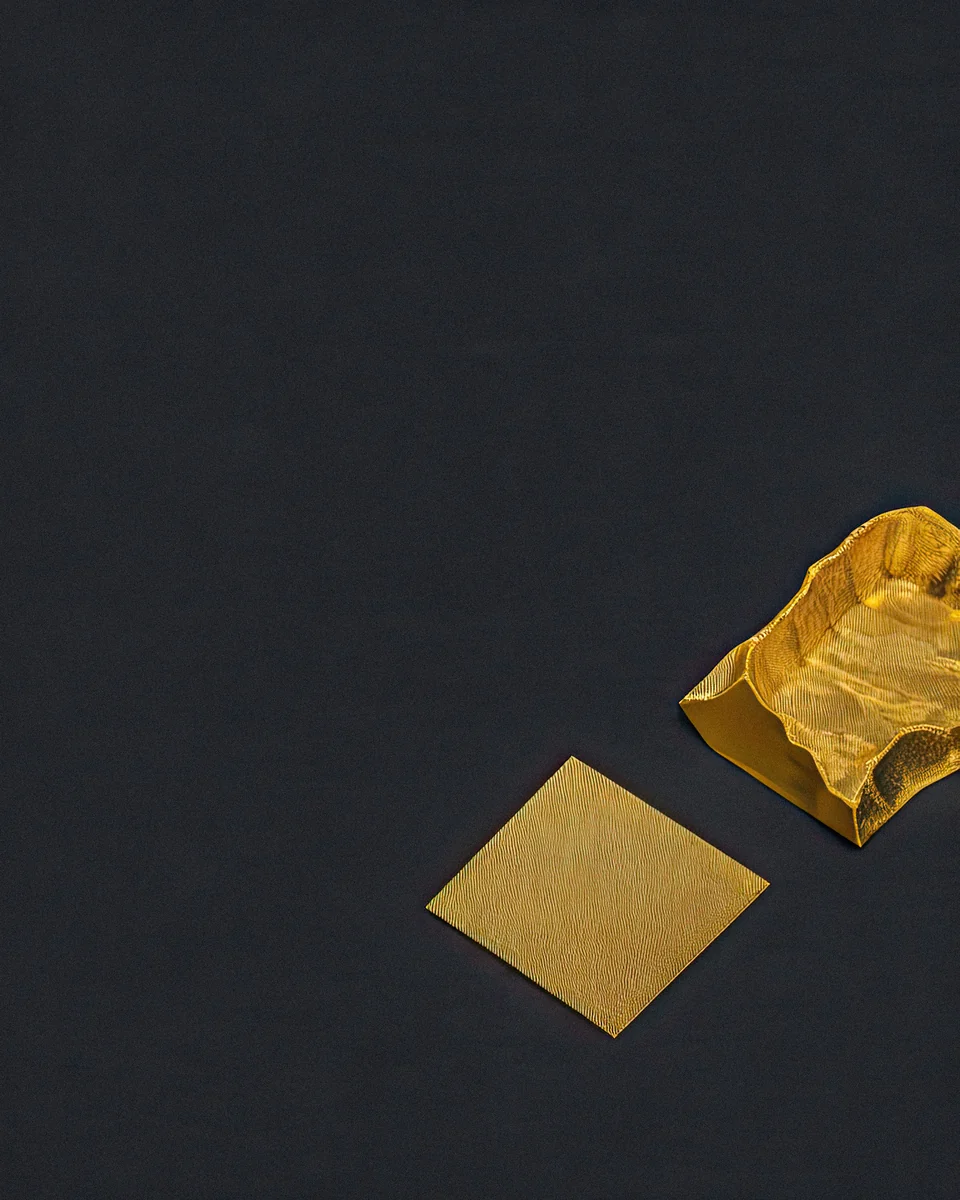
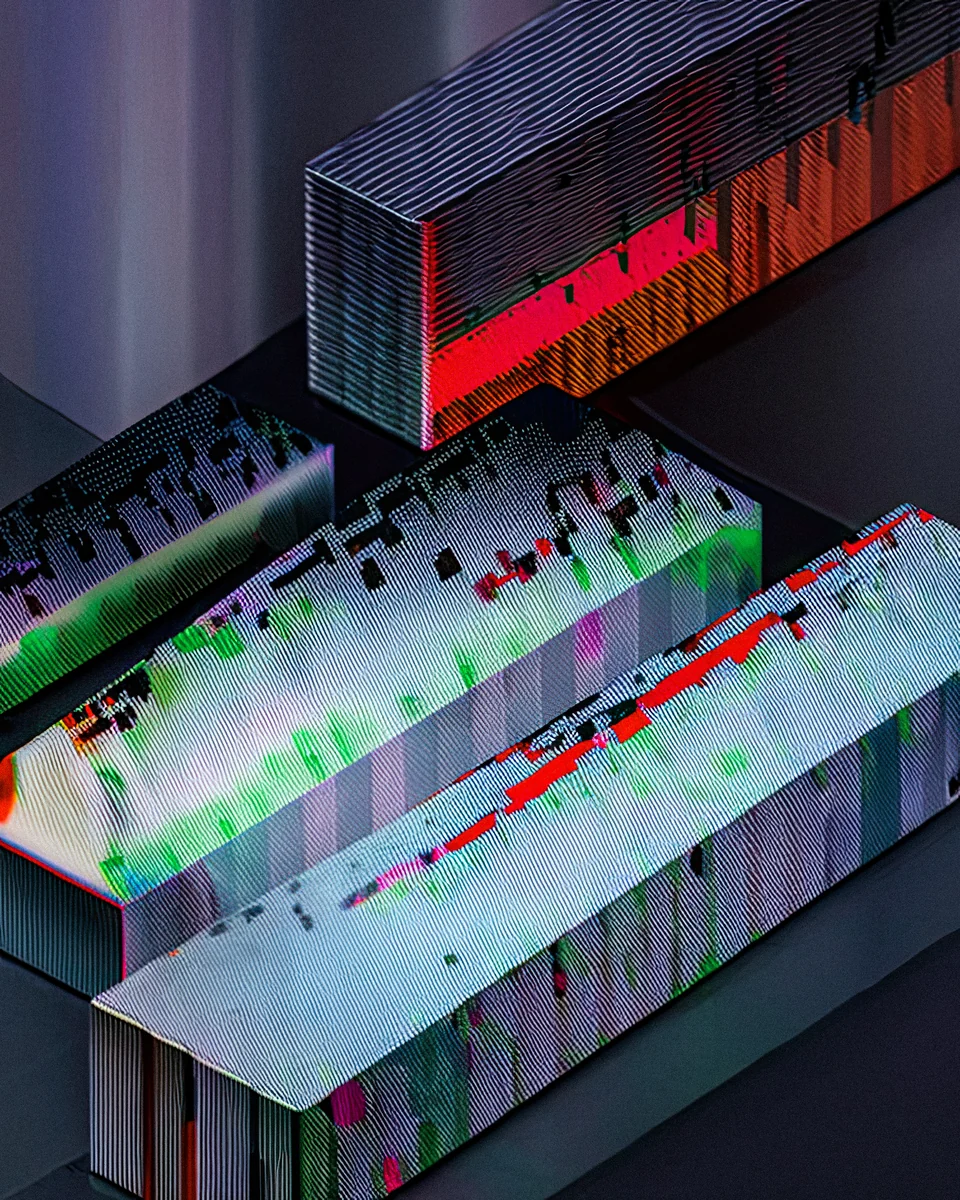
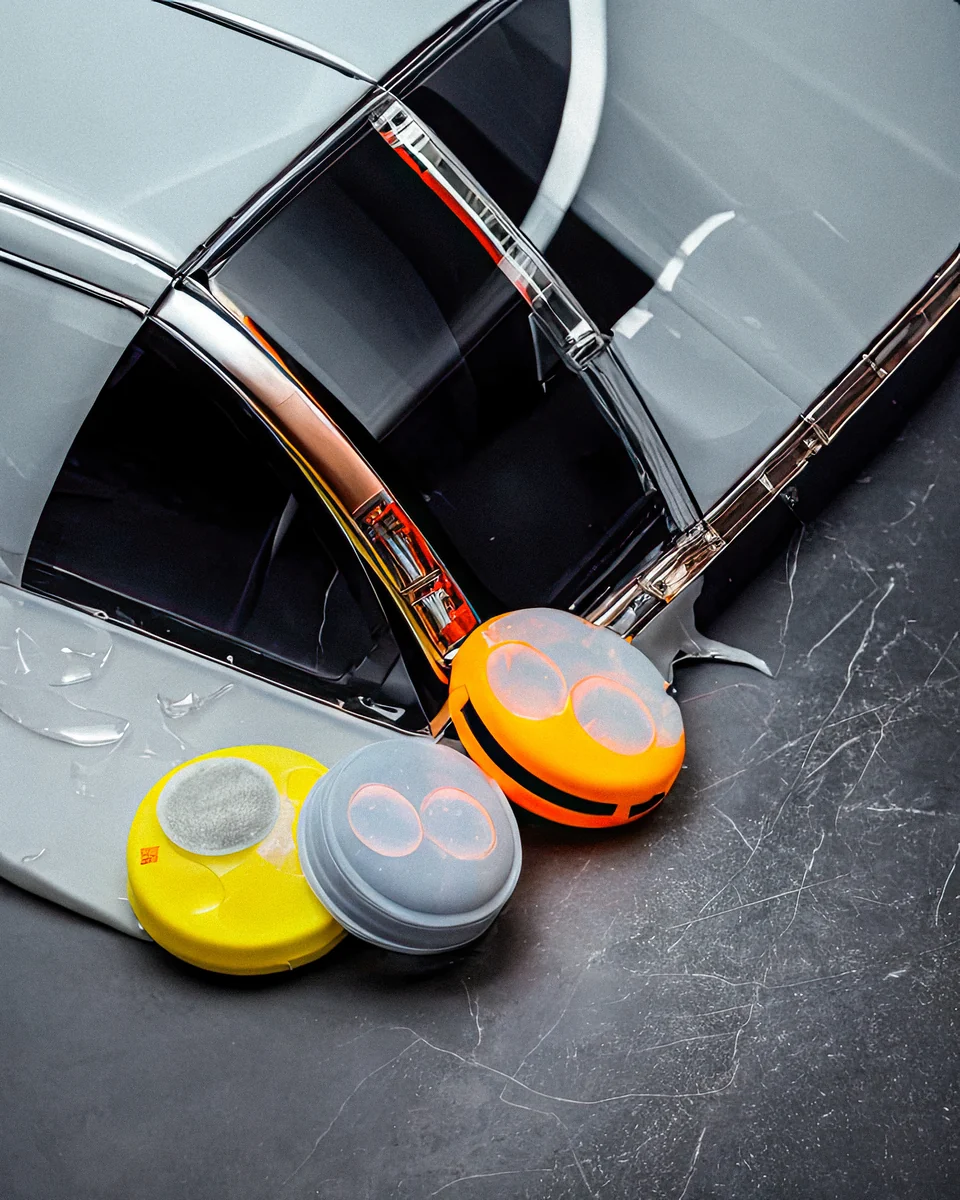
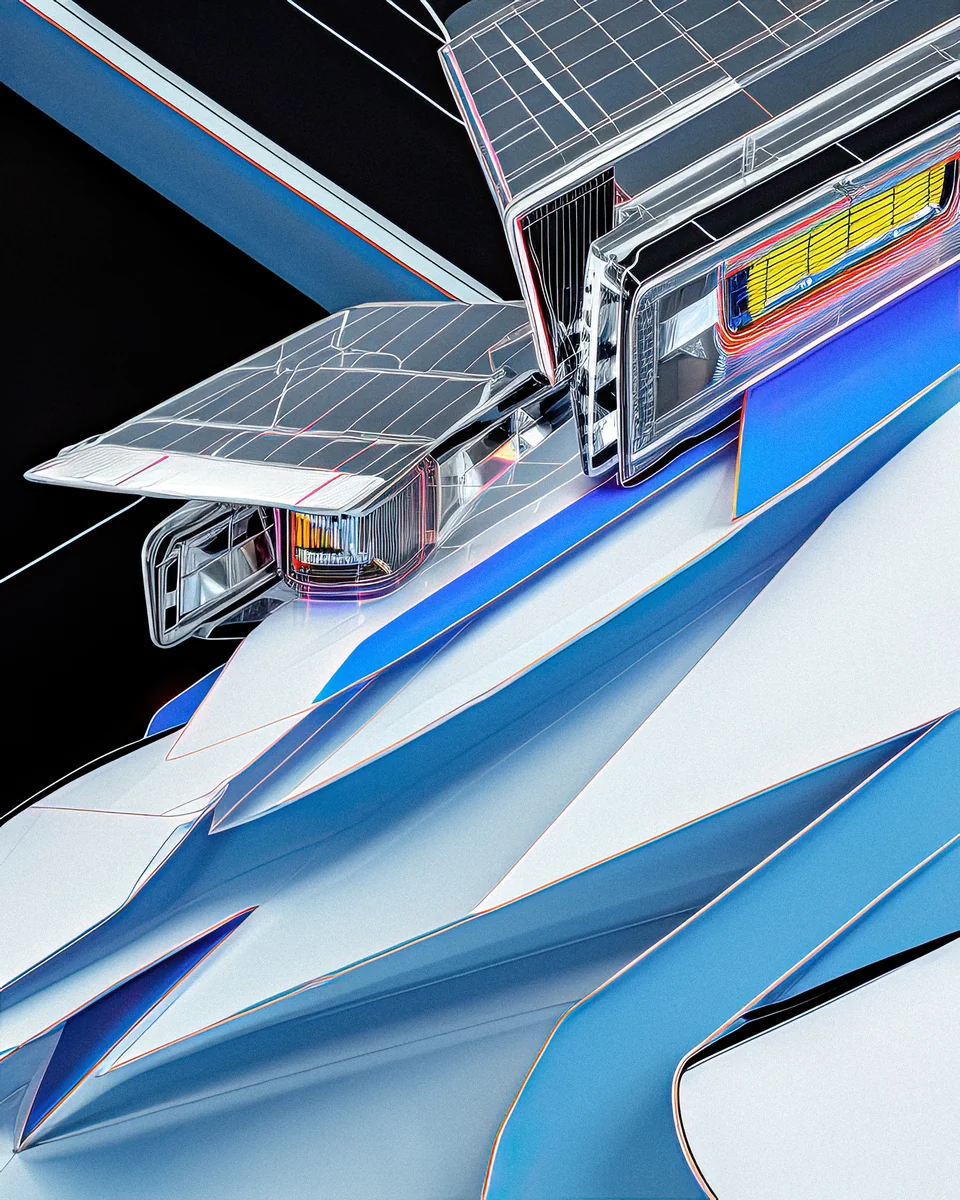
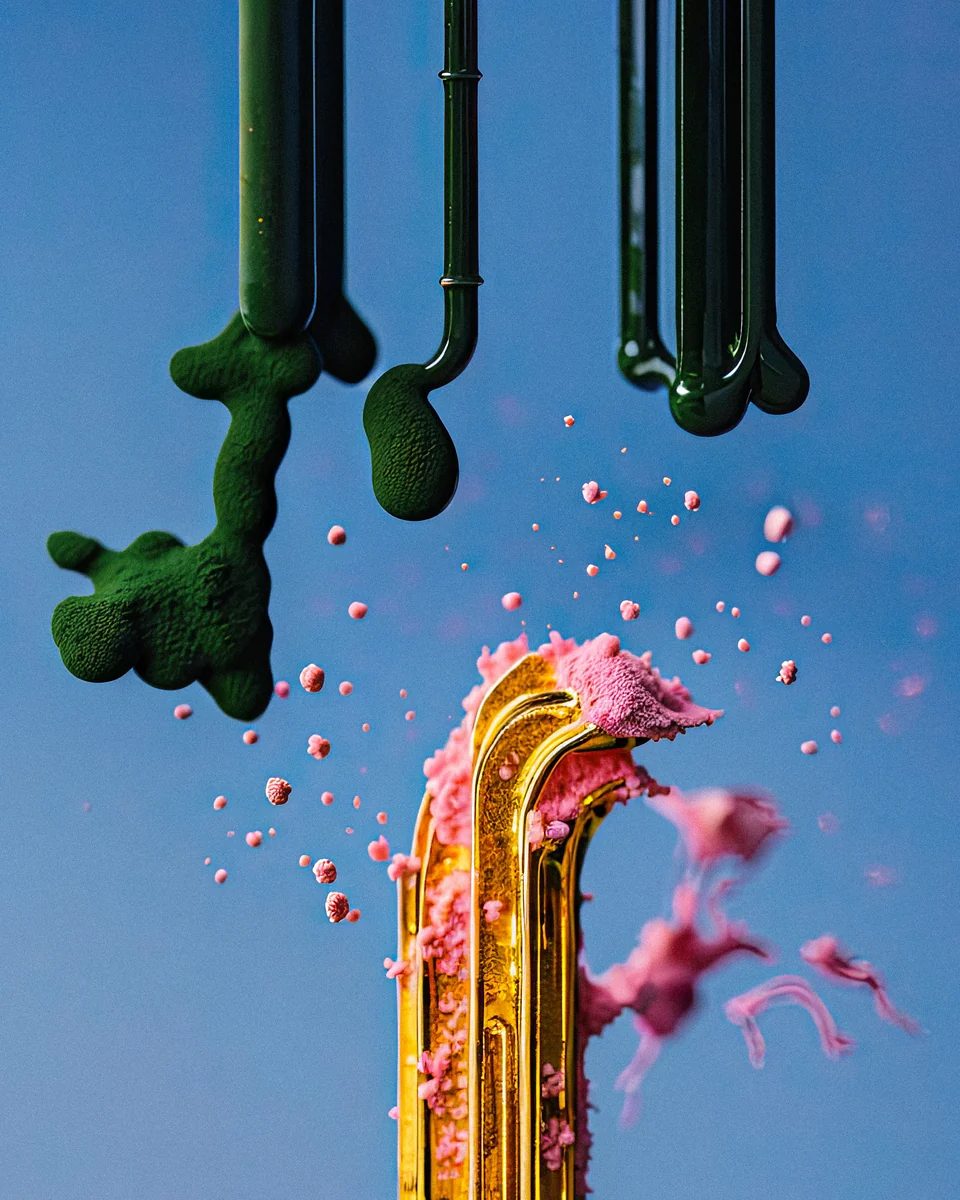
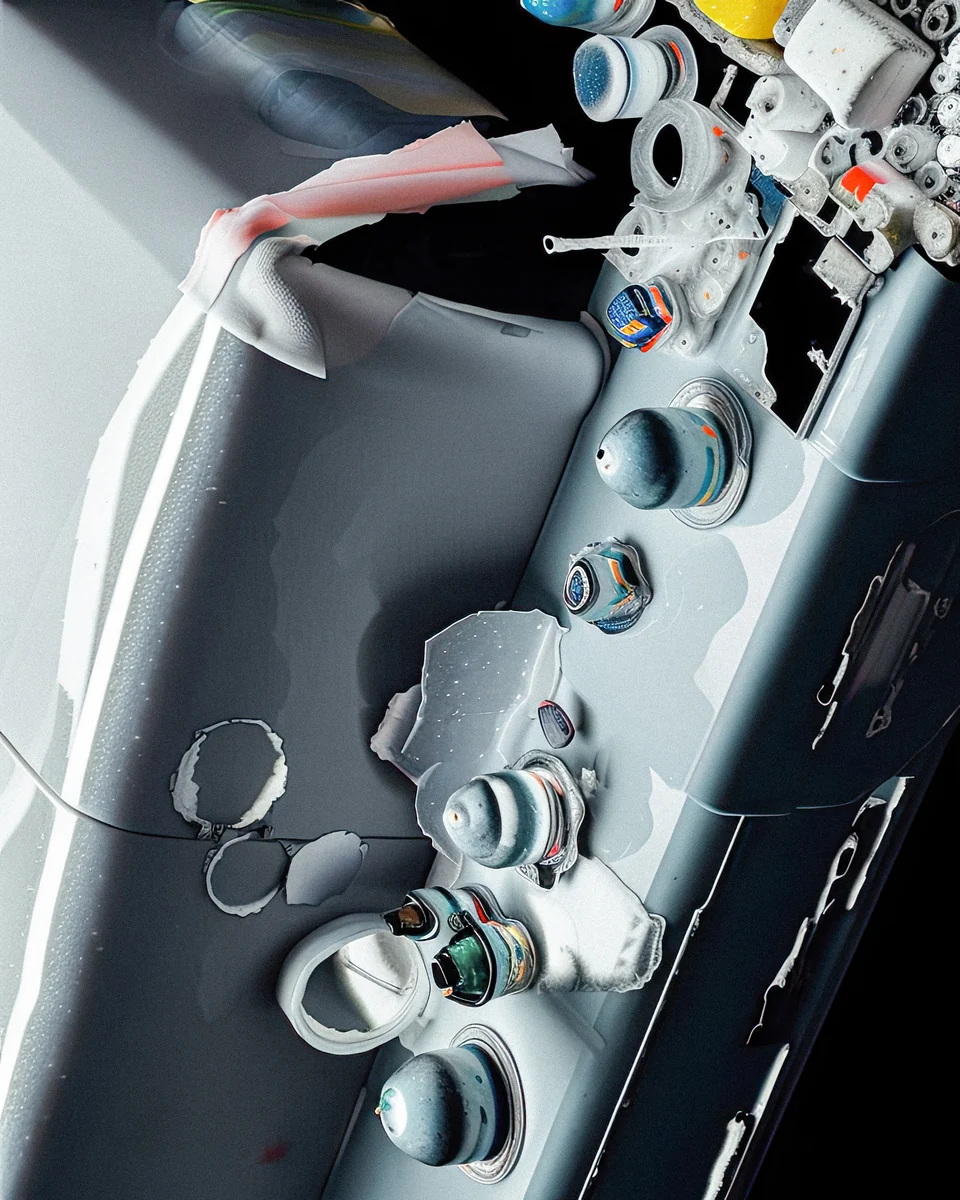
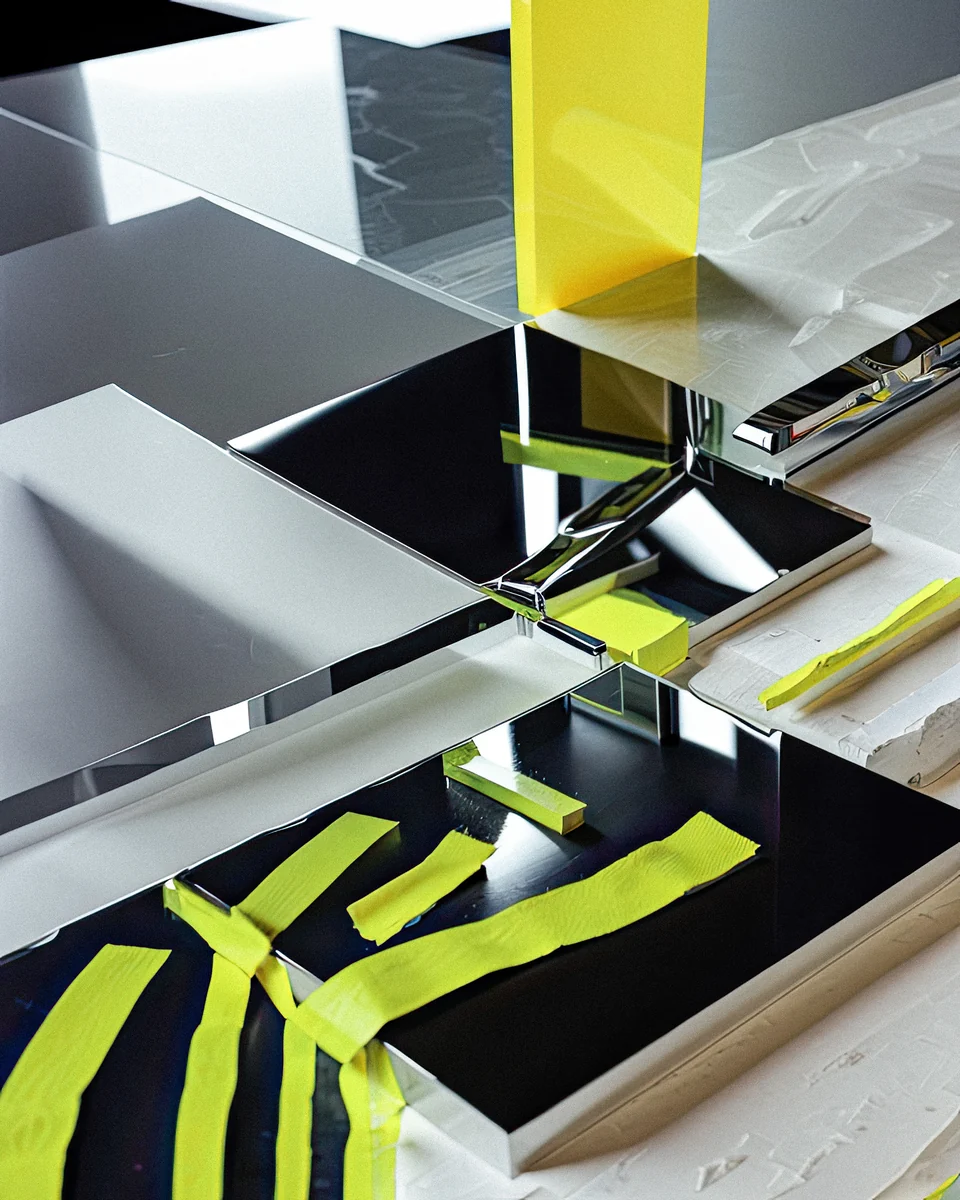
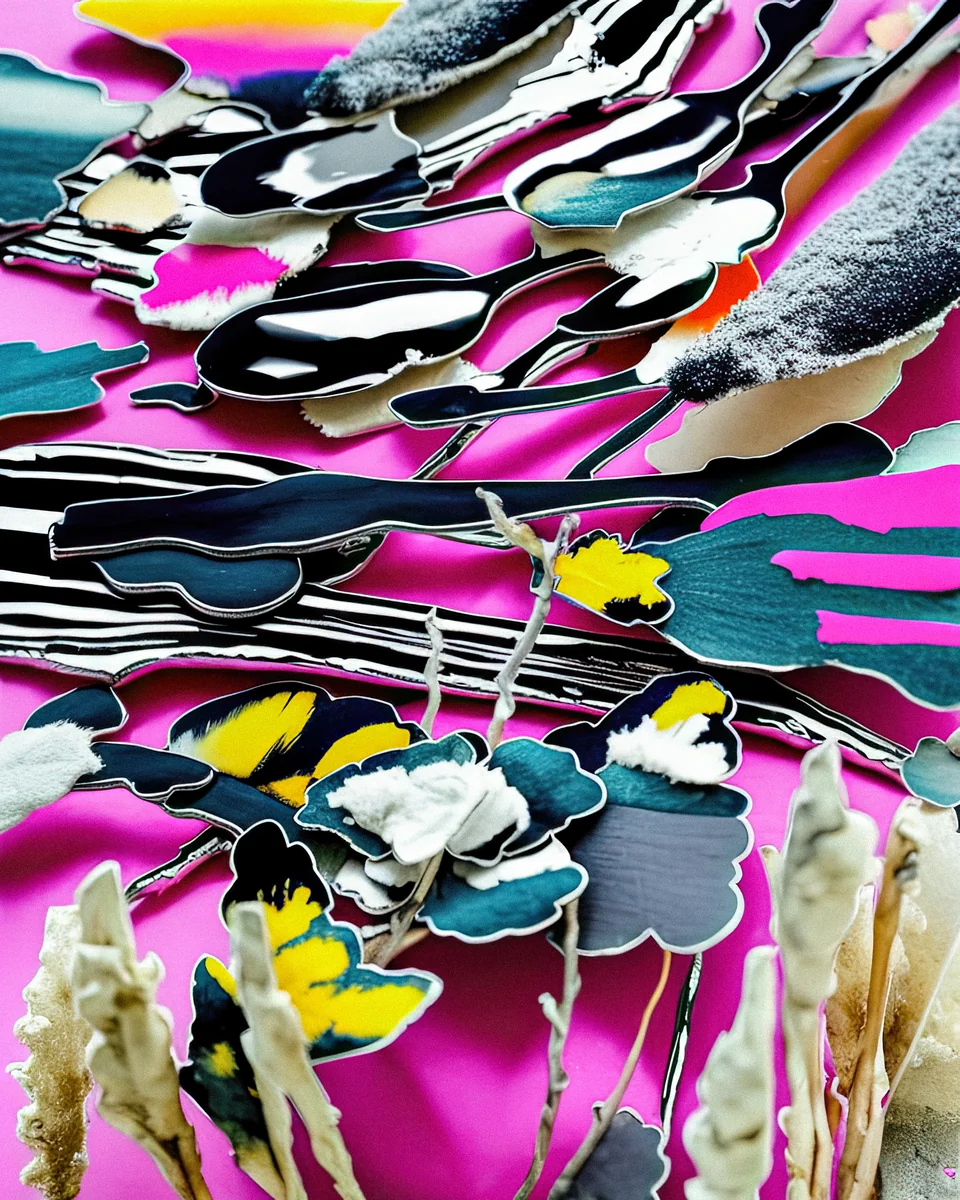
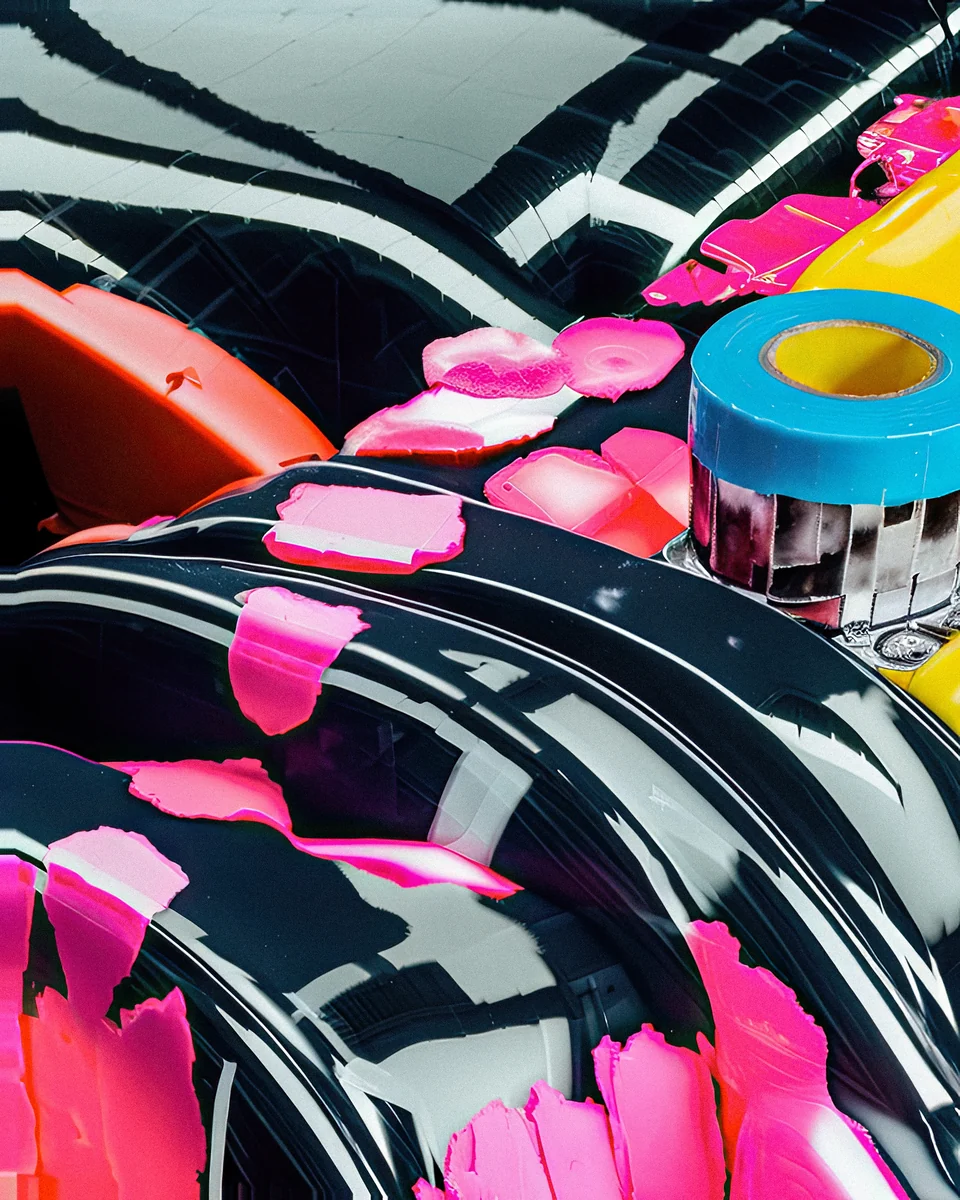
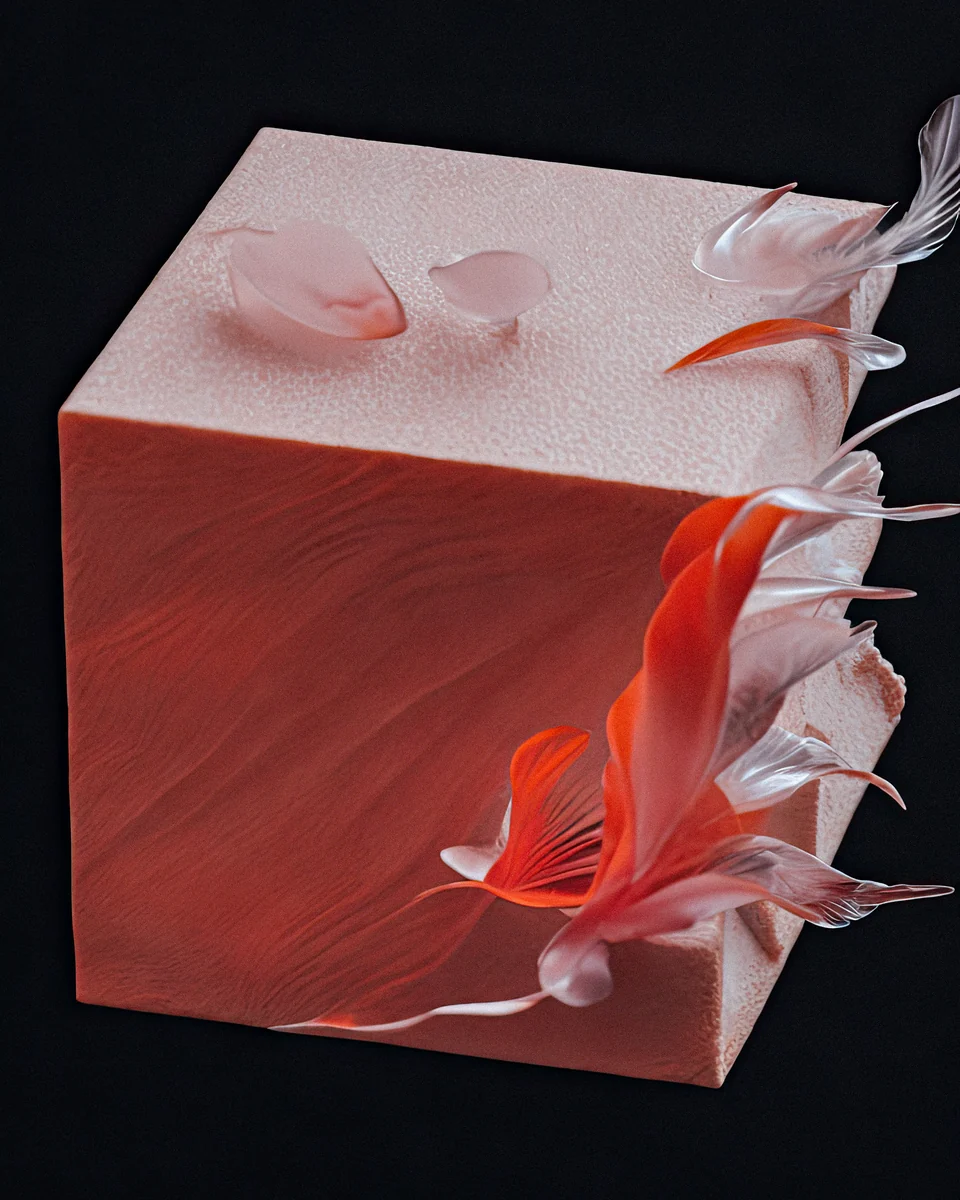
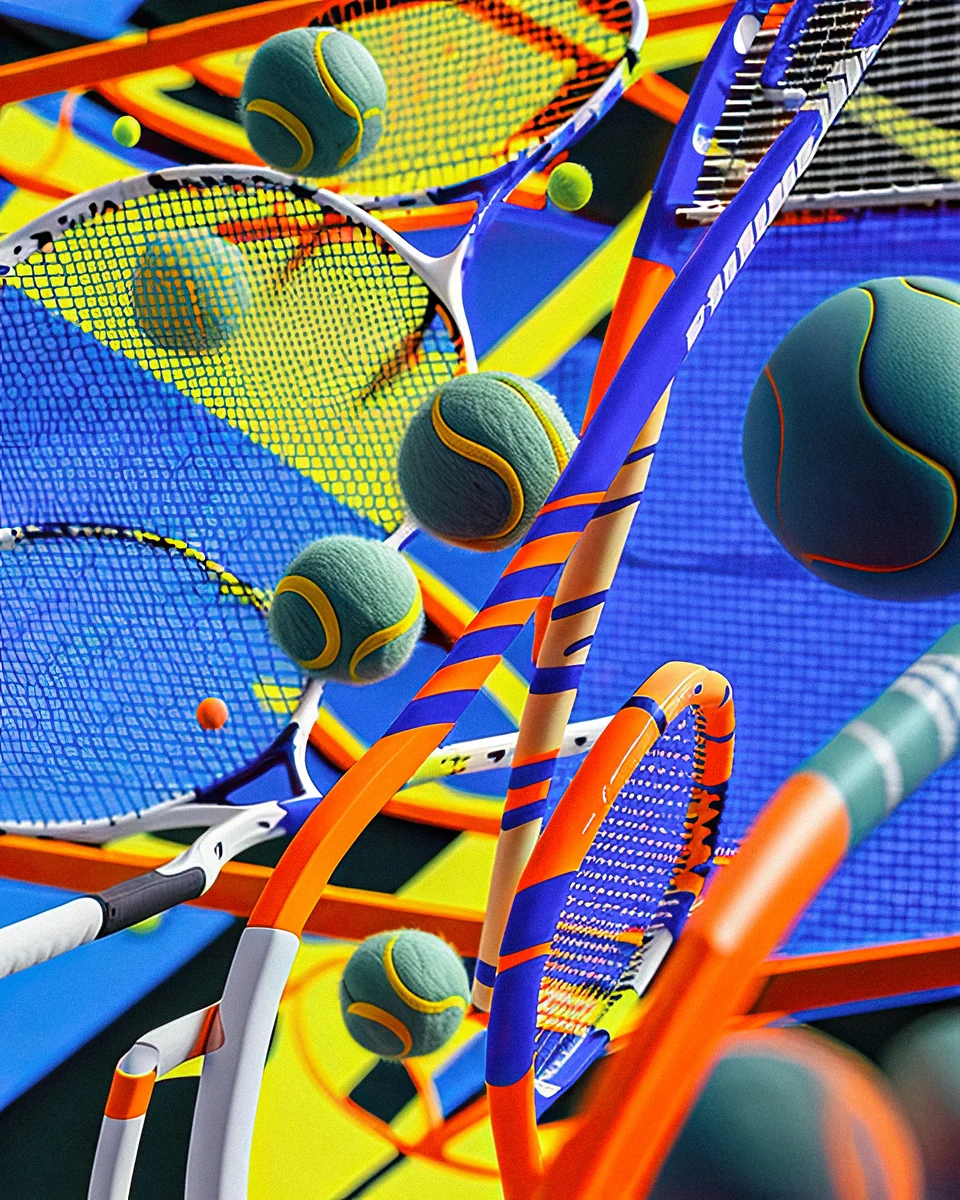
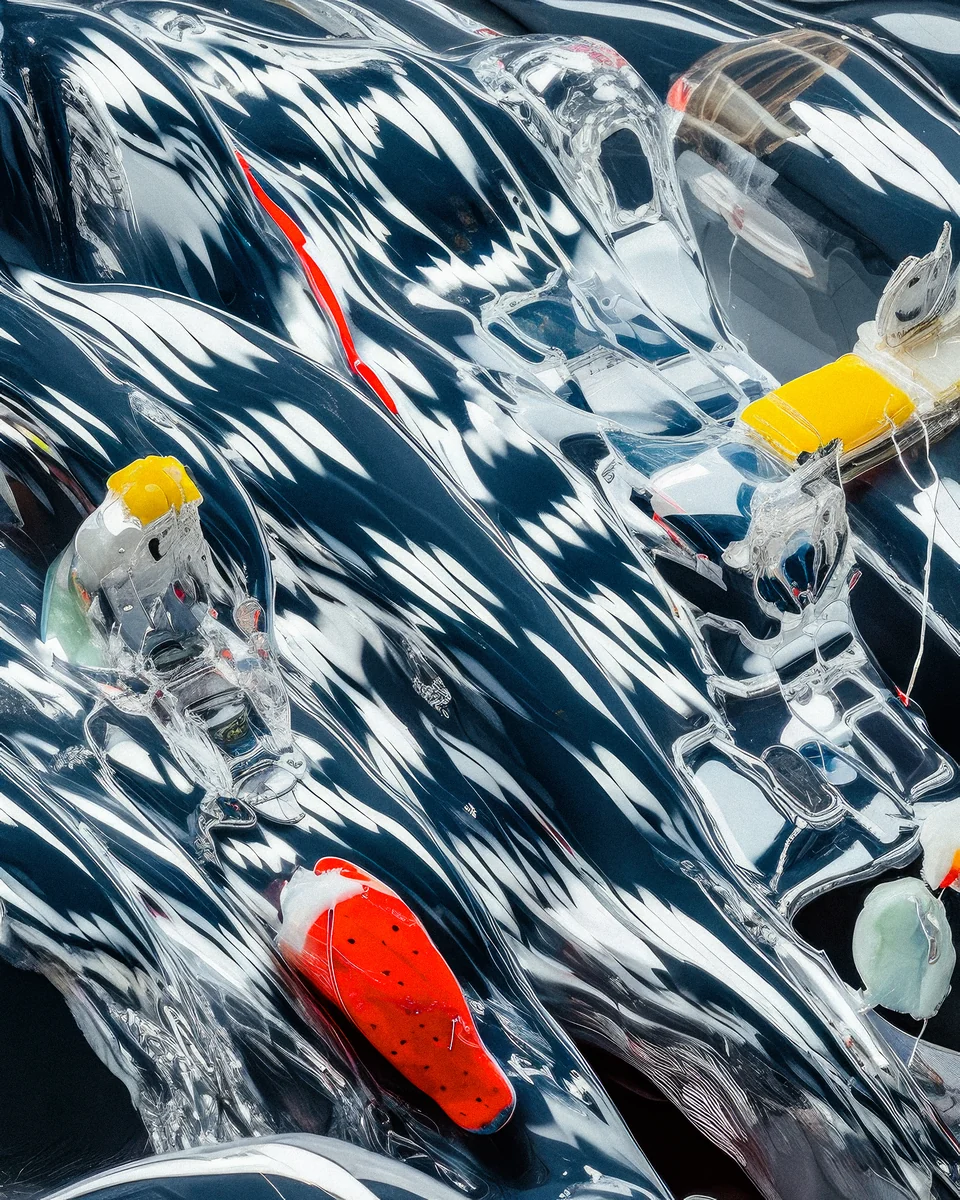
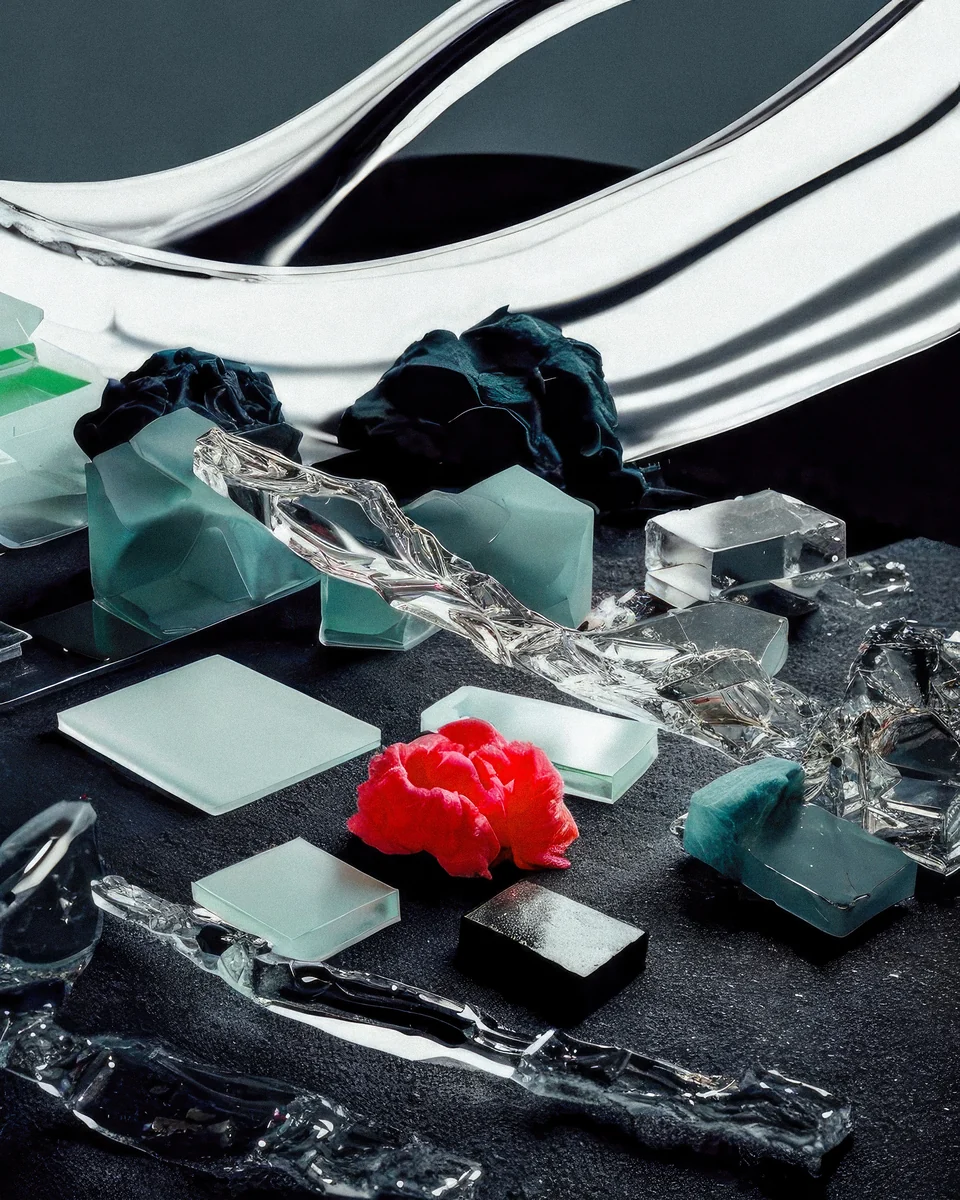
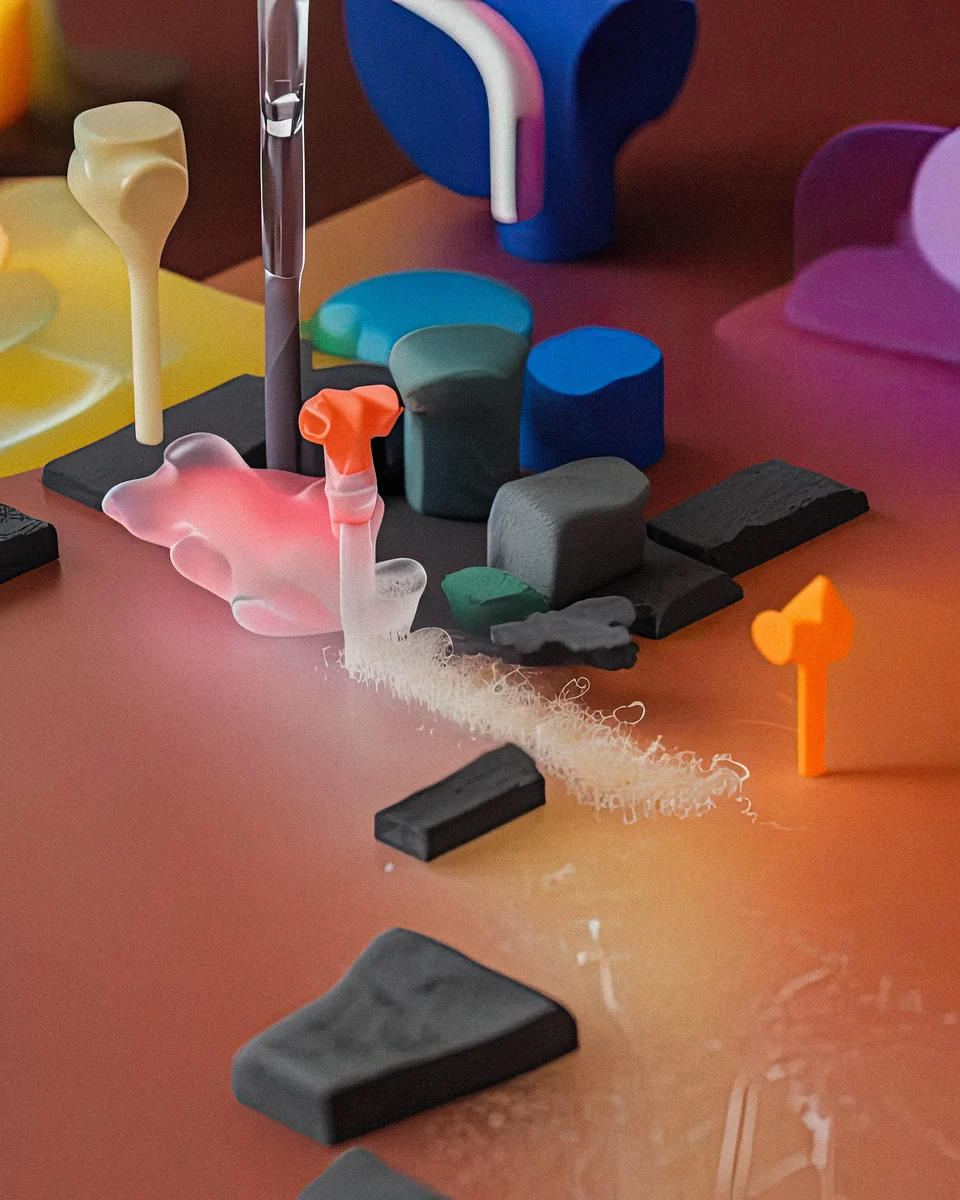
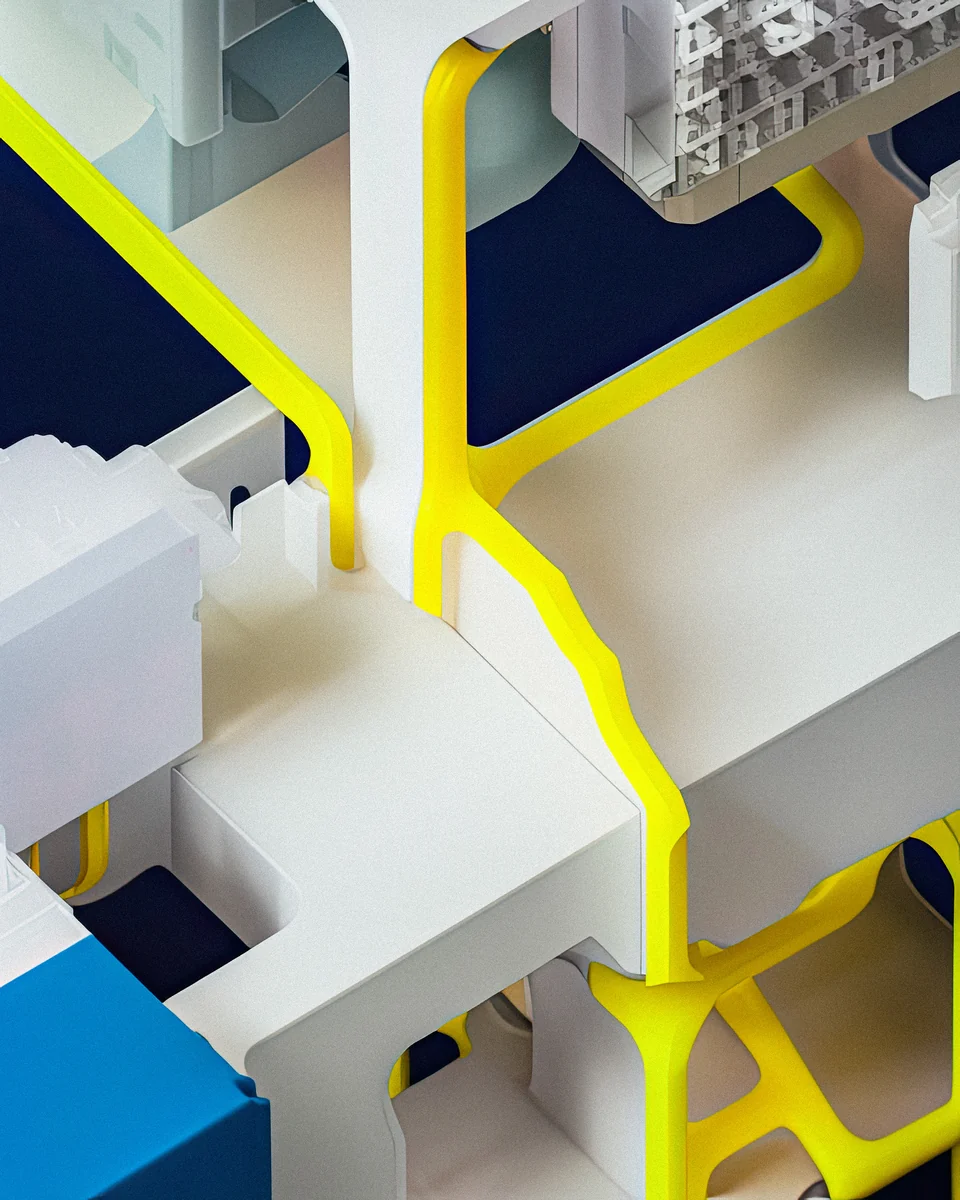
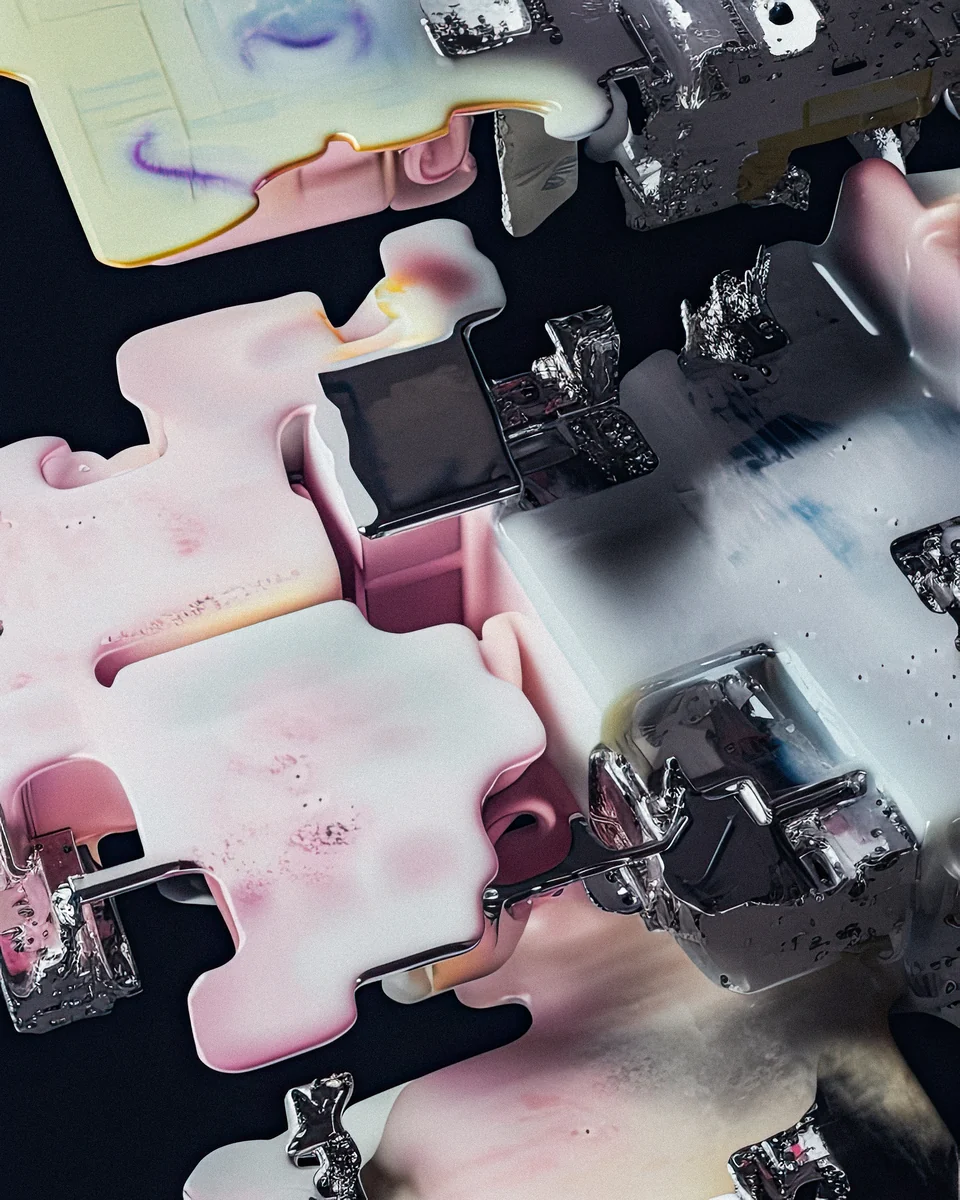
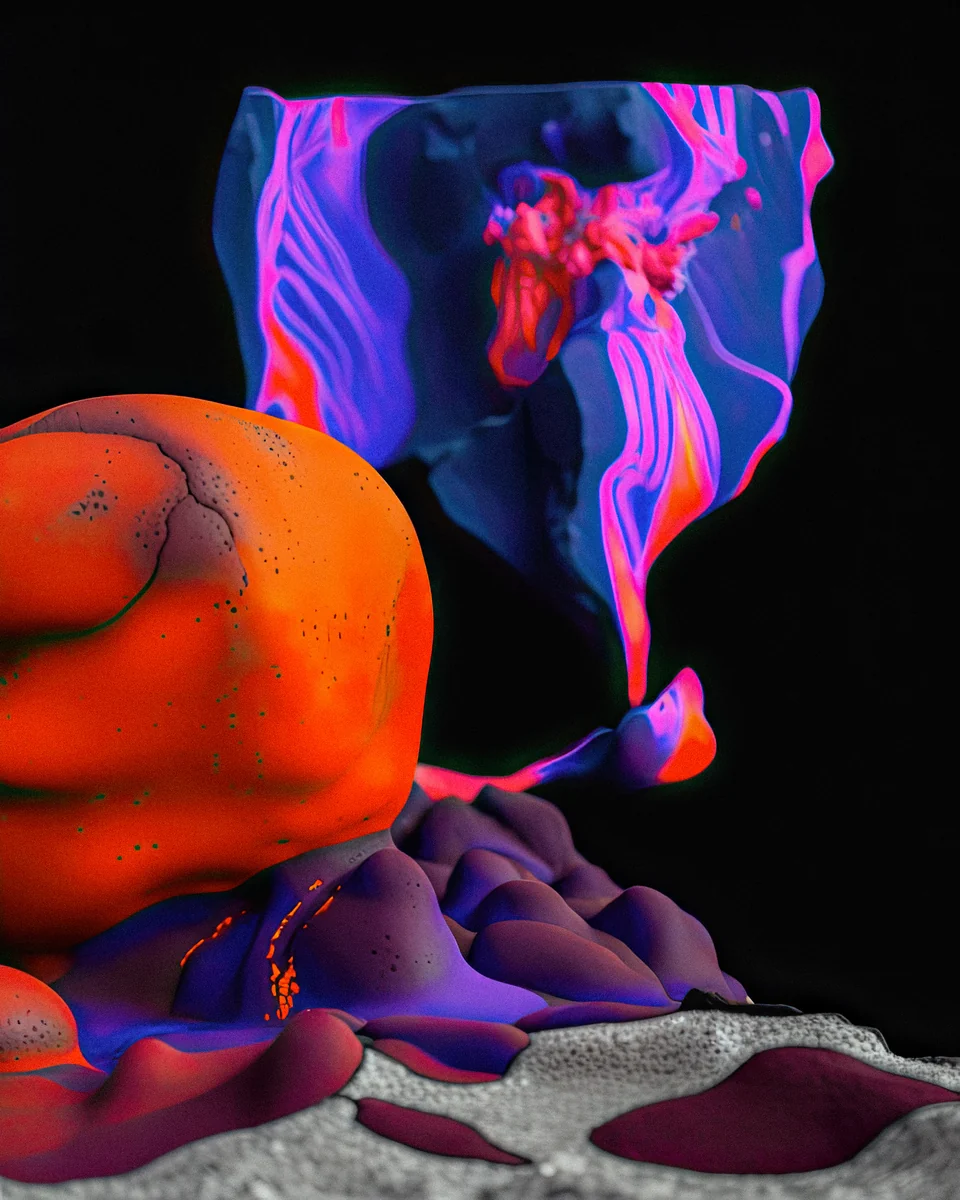
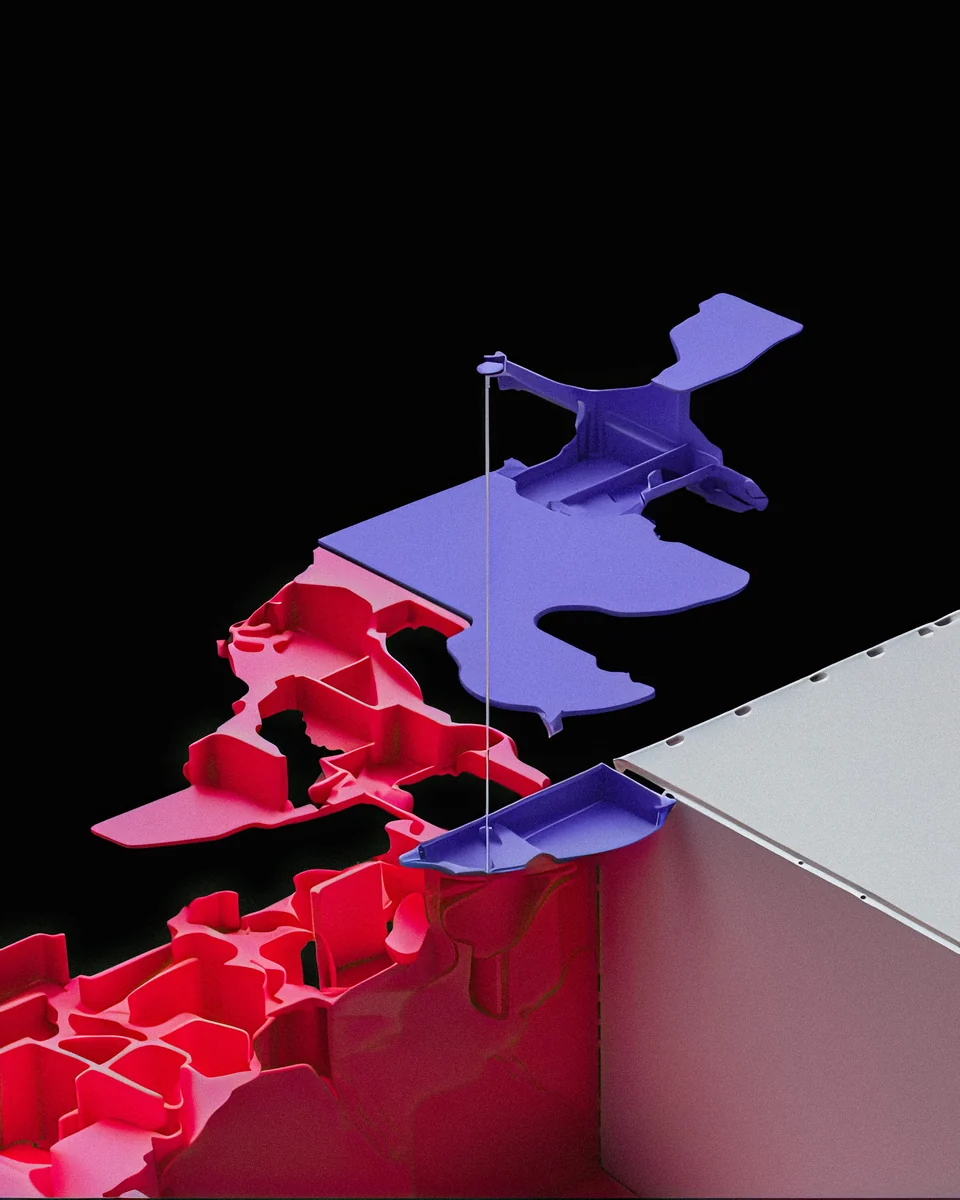
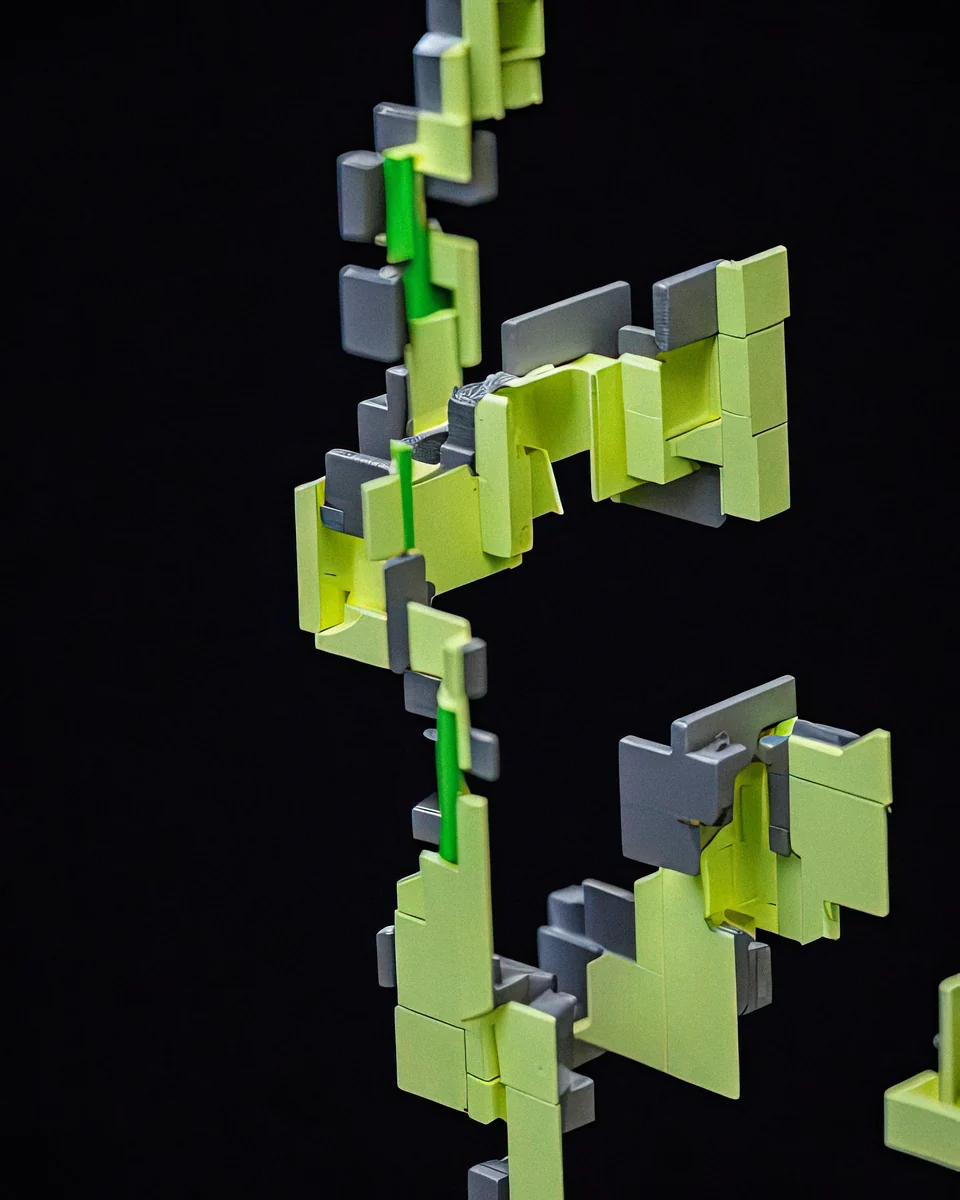
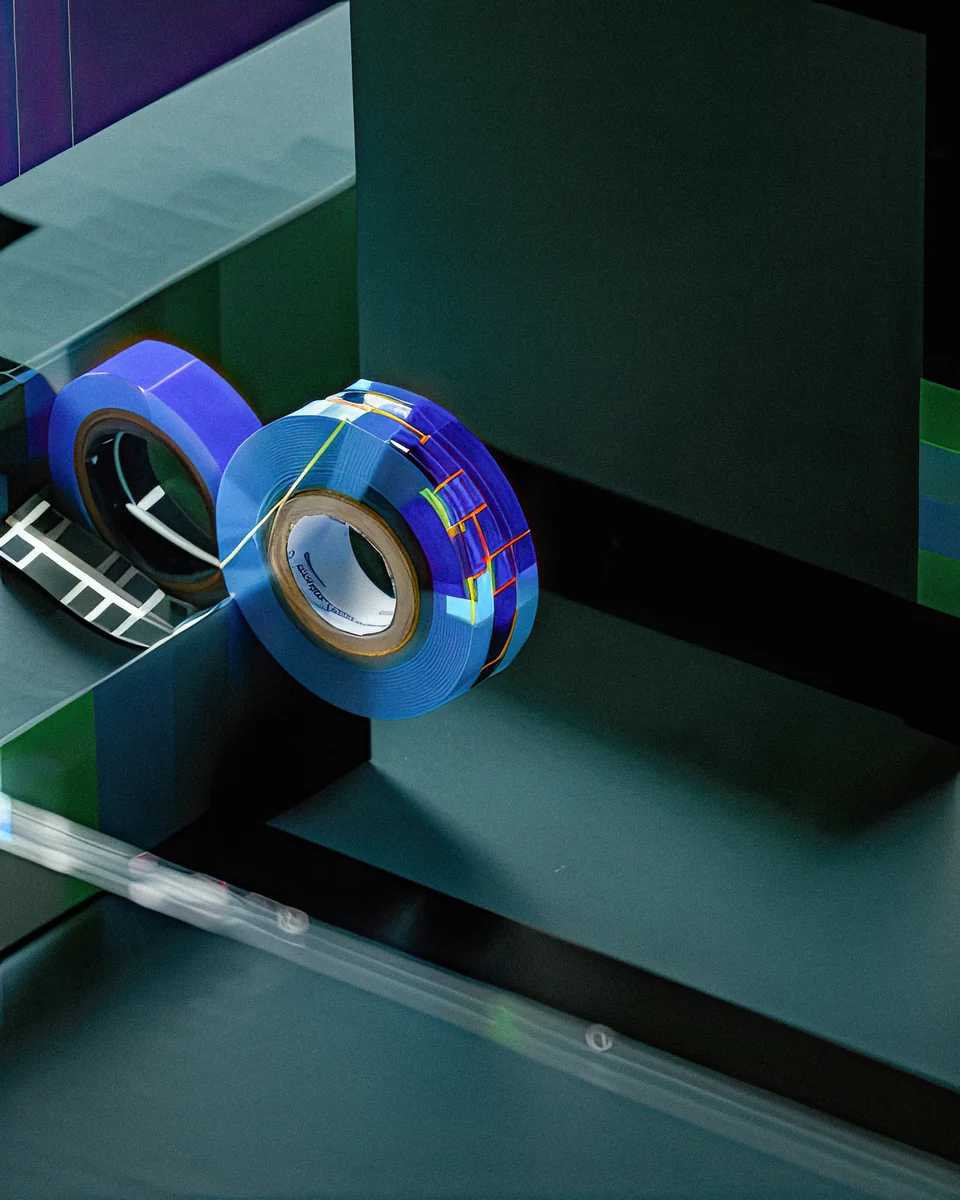
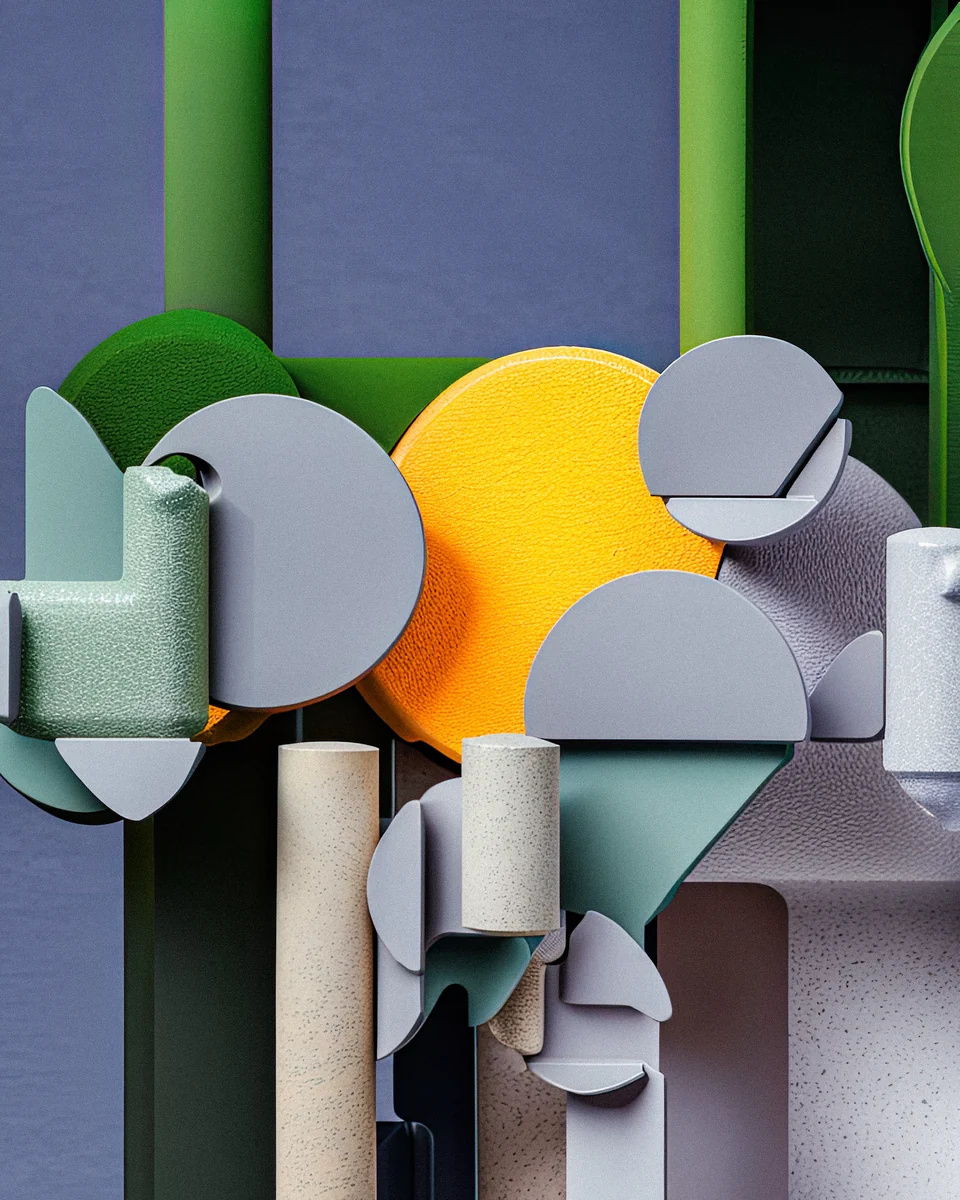
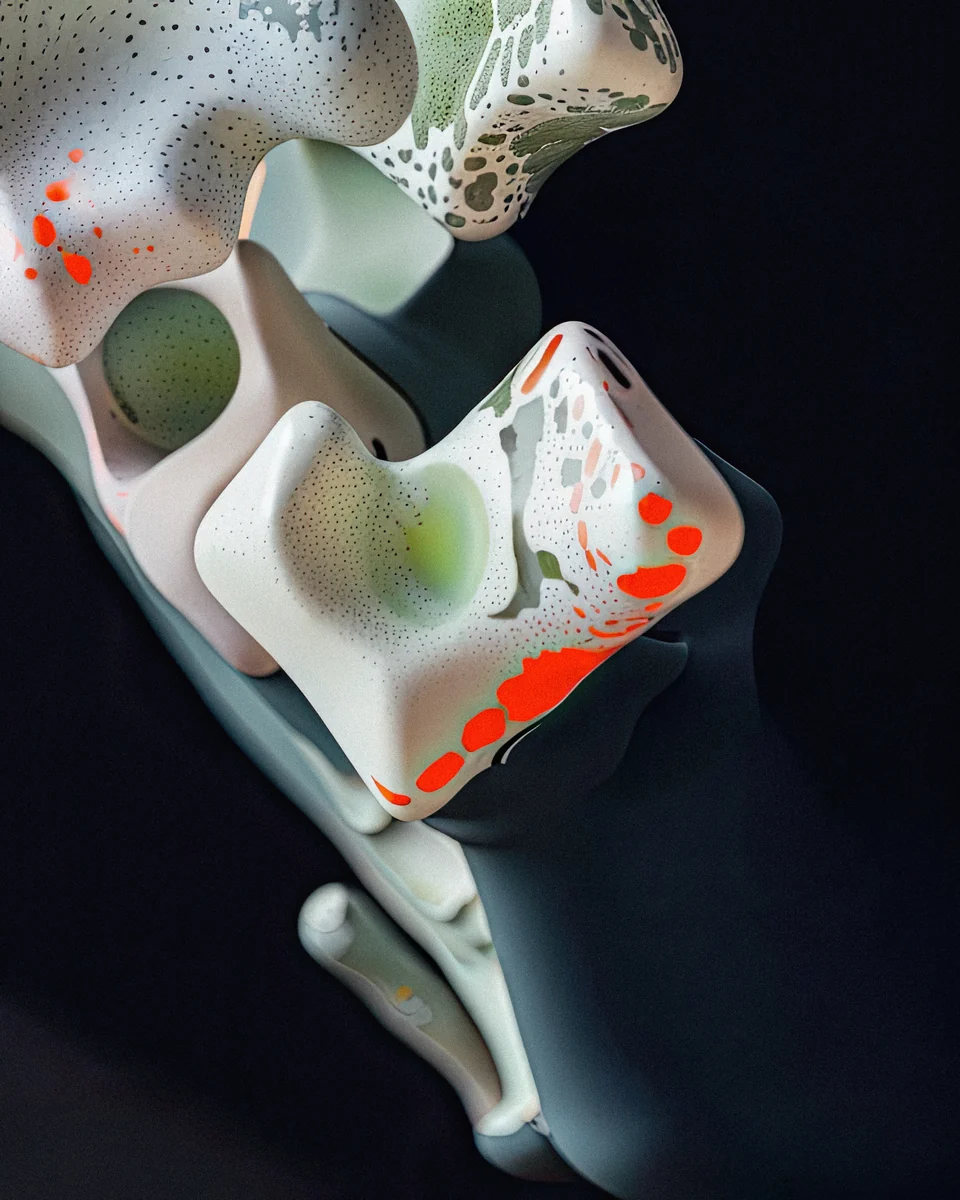
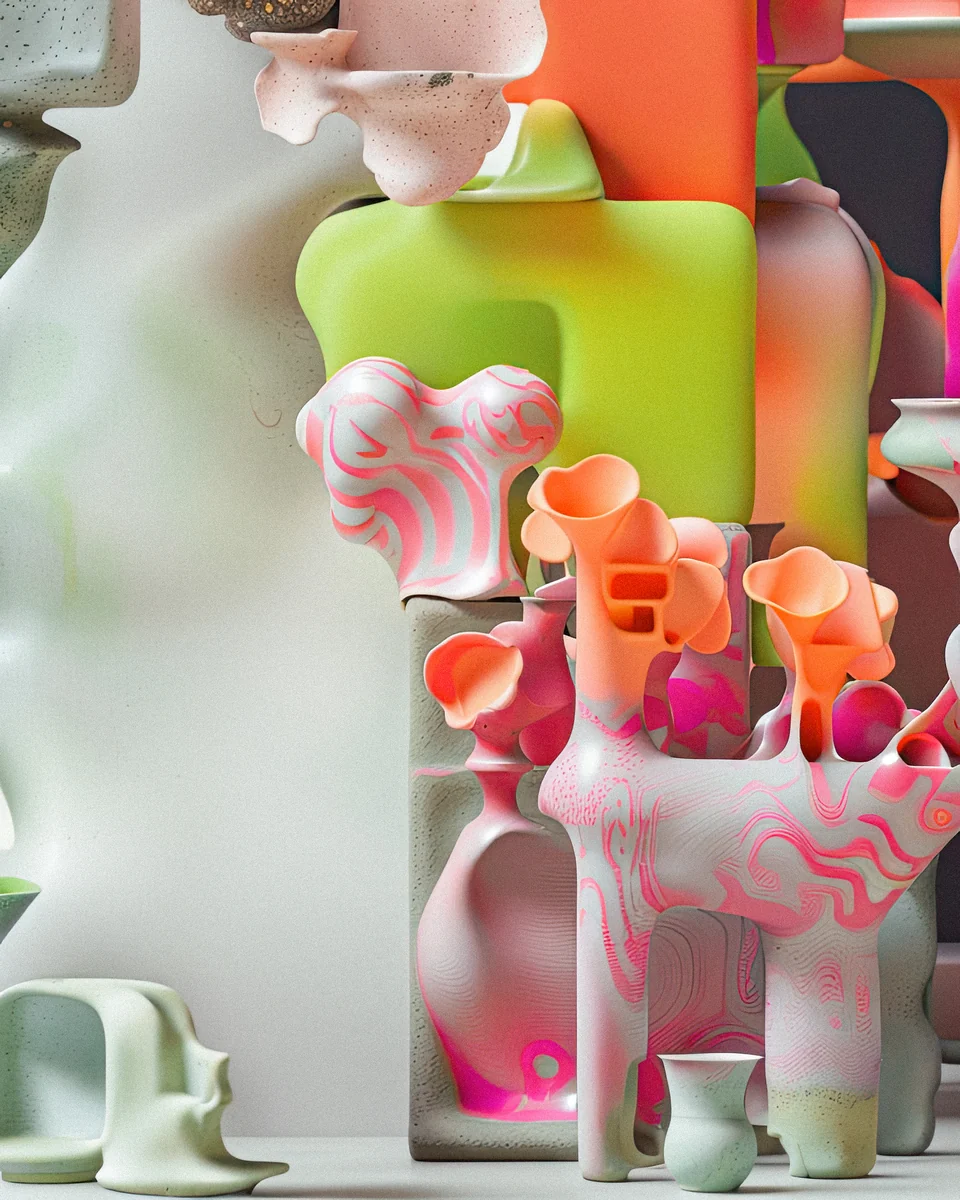
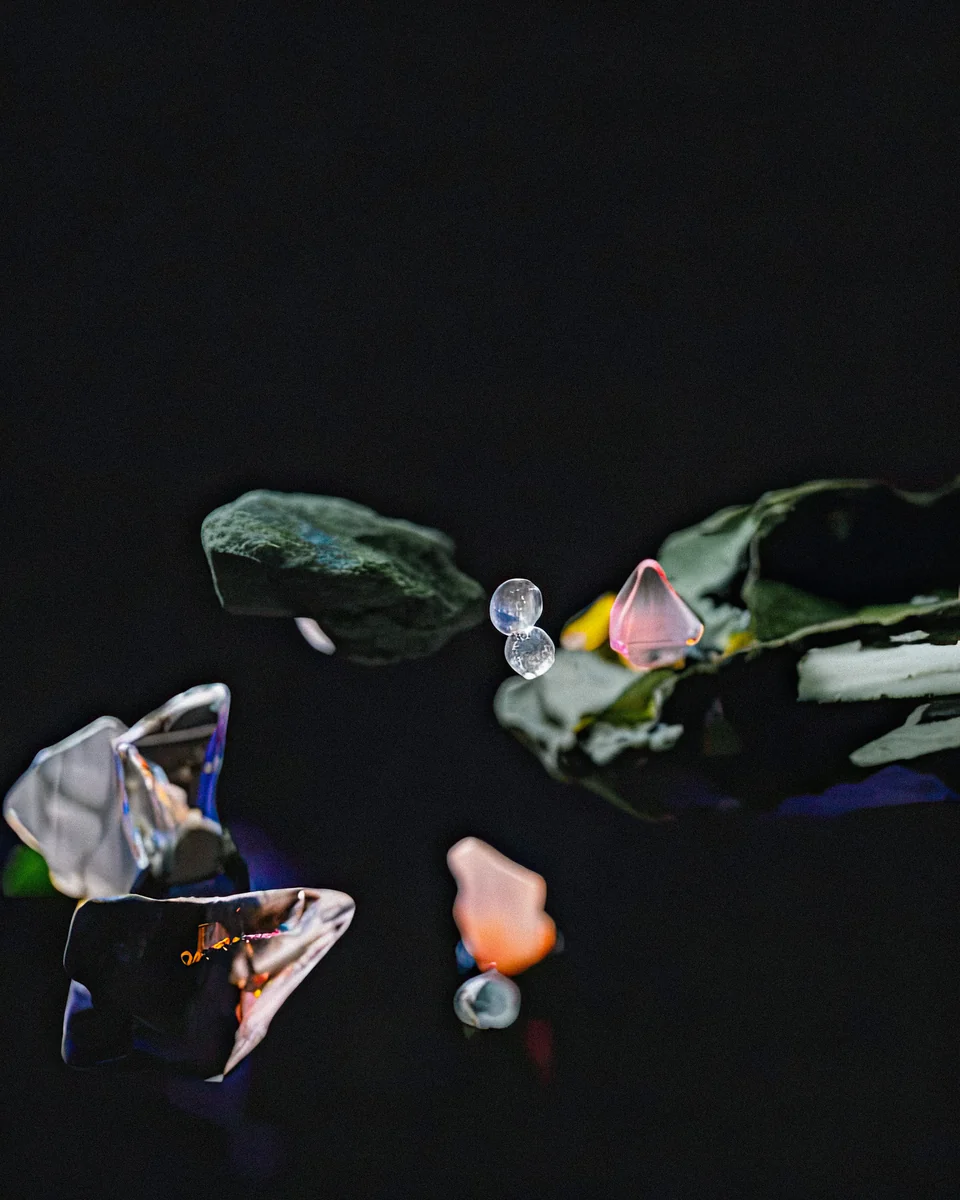
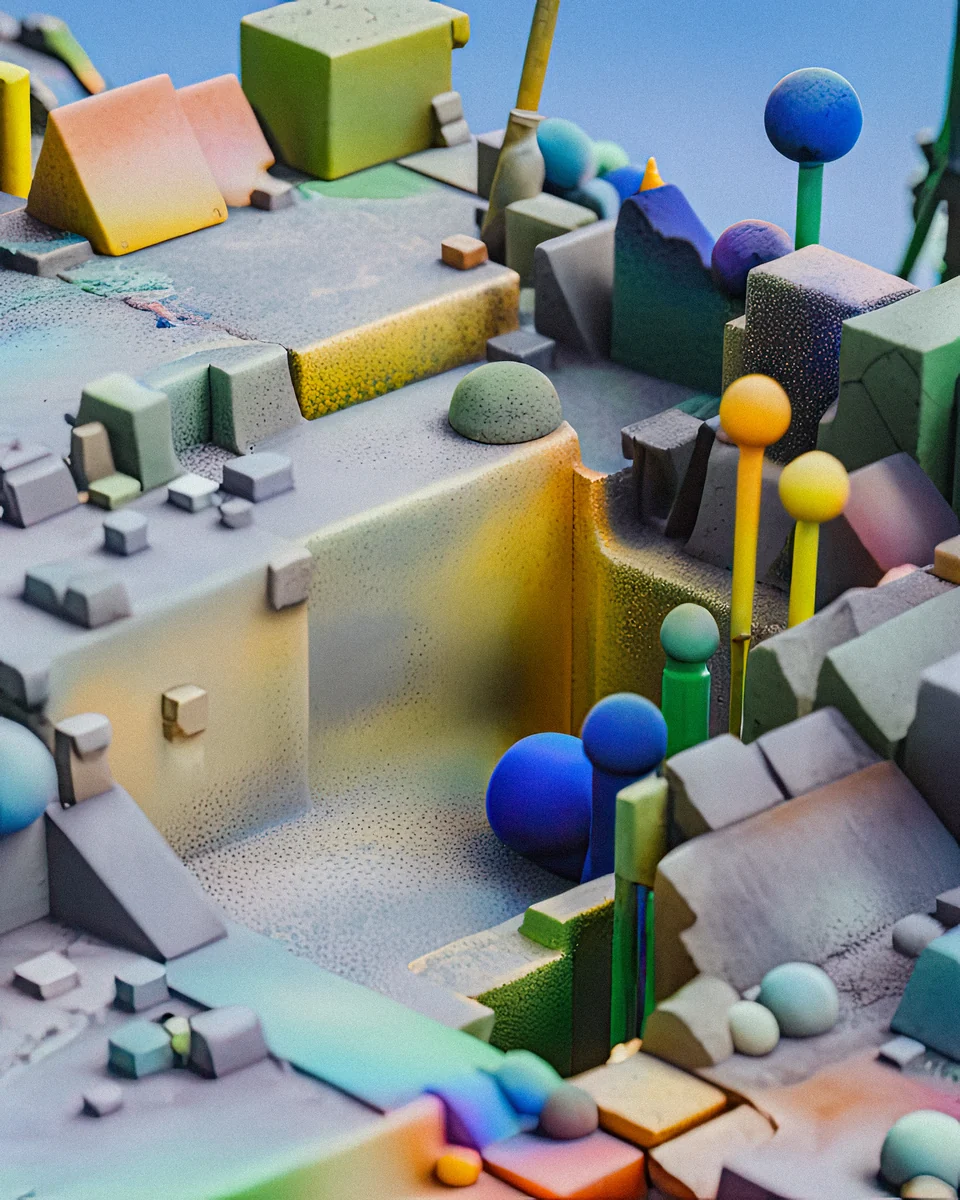
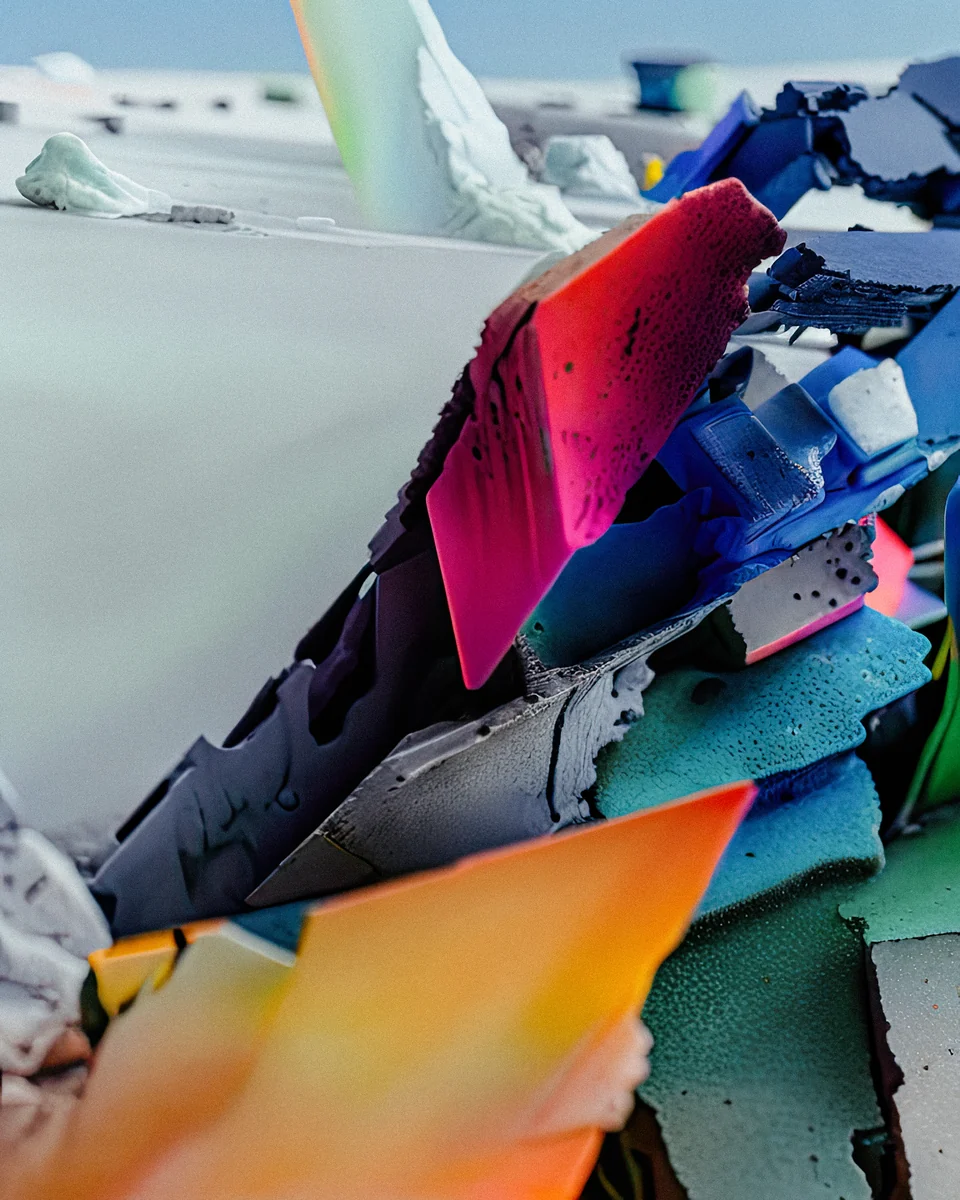
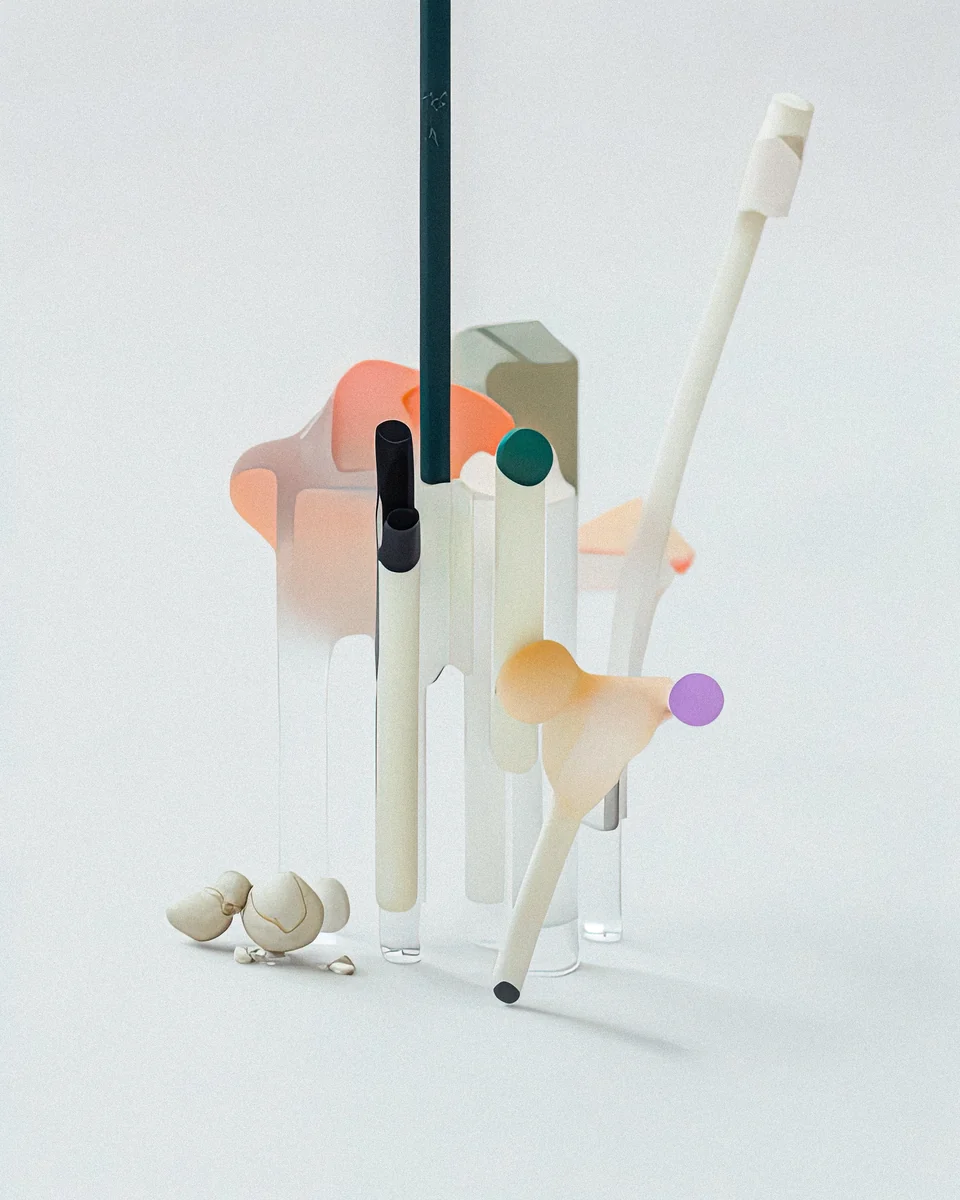
Regenerate Response, 2023
Animation, exterior projection on the Bauhaus building: 12 min 57 s, loop
Animation with sound on screen in the north room: 27 min 40 s, loop
Maik Bluhm, Elisabeth Schulze, Ines Graf, Sebastian Gerbert
Joost Schmidt’s Mechanical Ballet of 1926 addressed the revolutionary technological upheavals brought about by industrial mechanics, which reshaped life and work at the start of the 20th century. Enthusiasm and uncertainty characterized people’s reactions in equal measure. Today, we may face similarly groundbreaking societal transformations through artificial intelligence (AI).
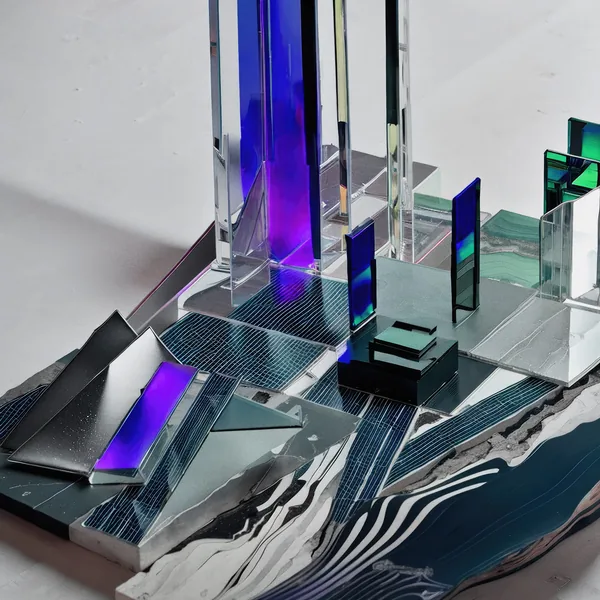
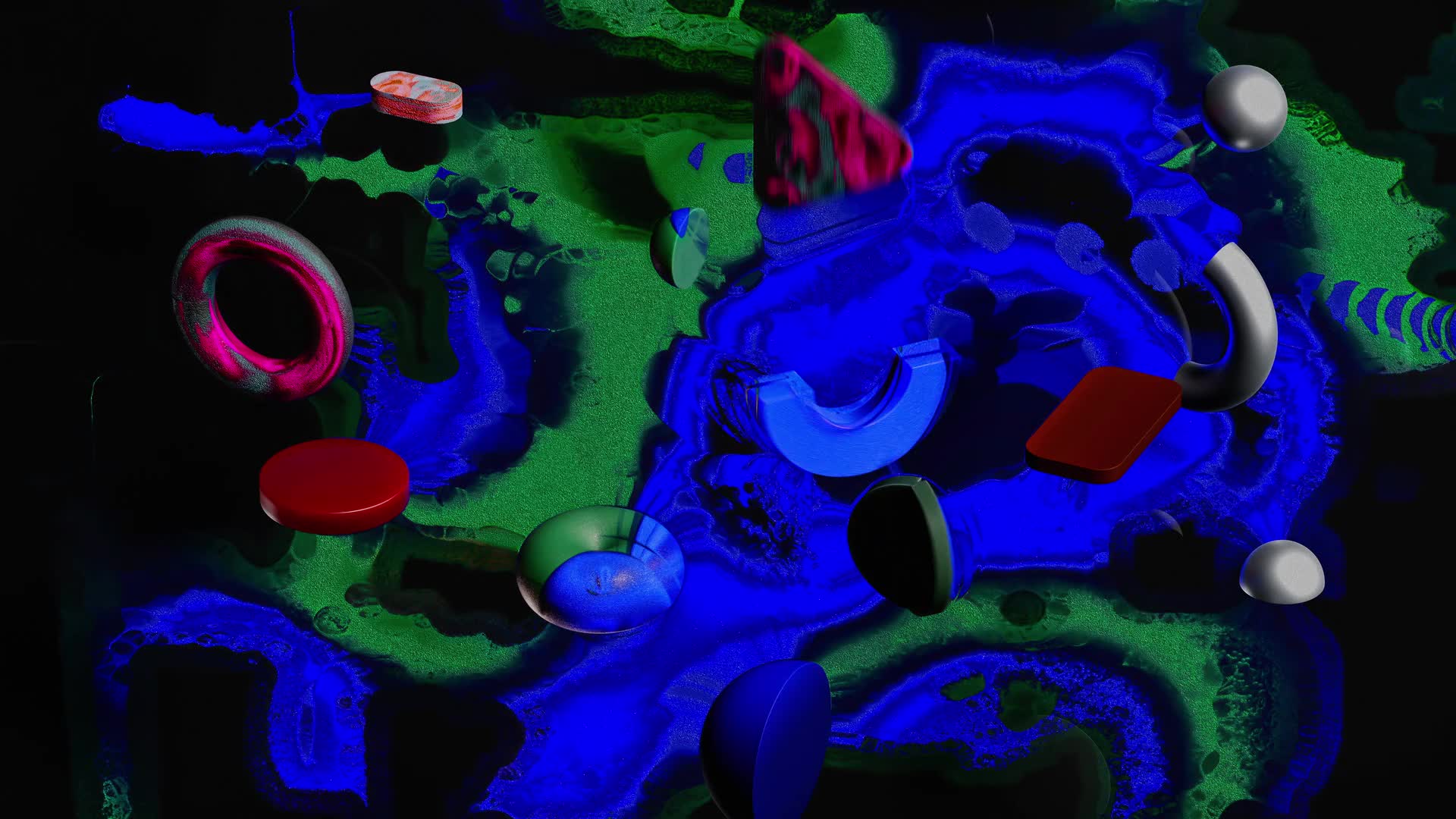
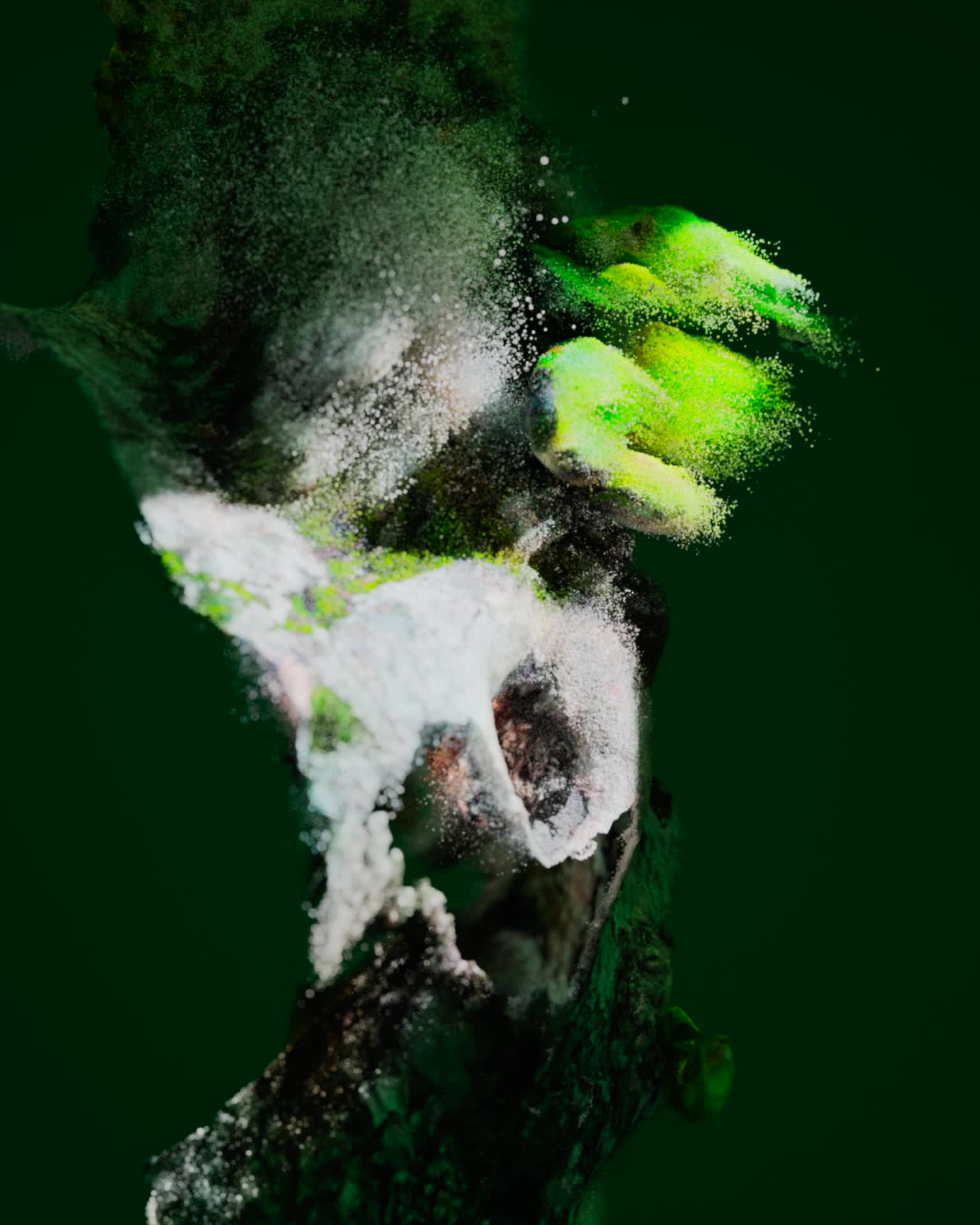
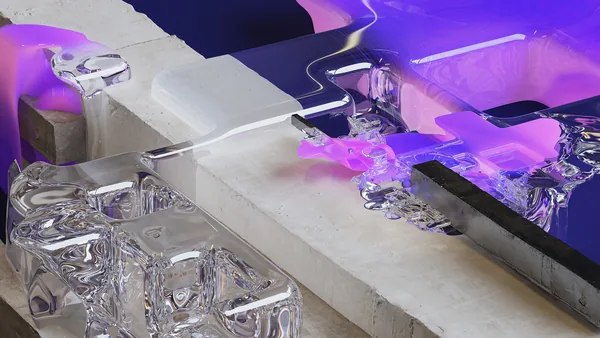
This two-channel projection by the Berlin-based design studio CATK features pulsating, interweaving images generated by an AI model. The title Regenerate Response directly references the algorithm’s program command to “generate a response.” The resulting digital visuals appear almost more real than the analog, tactile world. They graphically describe substances we would recognize in our world as solid, liquid, or gaseous states of matter.
At the opening of the Bauhaus building in Dessau in 1926, a film of microscopic crystal growth was shown as a metaphor for the structural beauty and dynamism of nature, emphasizing the Bauhaus community’s interest in science and technology. CATK’s 2023 work illustrates how profoundly our world and its representation have changed in recent decades, influenced by new developments in technology and design.
Behind CATK’s fluid animations lies a new, intricate exchange between humans and machines. This exchange leverages AI models in two significant ways. Using Stable Diffusion, a deep-learning text-to-image generator, CATK trained an AI model with their 15‑year image archive. The studio divided their archive into folders labeled with abstract alphanumeric codes to avoid conflicts with real-world terms. Stable Diffusion, a publicly available dataset containing five billion image-text pairs, already links specific words with particular image groups (e.g., the word “dog” automatically triggers dog images).
But what sources inform the vocabulary of the algorithm behind these undulating surfaces? For CATK, the development process becomes a creative exploration of AI’s potential: “What happens at the boundary between Stable Diffusion’s world model and the CATK-trained AI model? Is it possible to create a new, unique visual language from the interplay of these two datasets?” ask designers Maik Bluhm and Elisabeth Schulze.
The fear that AI could render human creativity—and thus the work of artists and designers—obsolete is likely older than the technology itself. With freely available software like DALLE, one can generate “images in the style of Kandinsky” with just a few clicks. Artists have often described feelings of powerlessness in the face of seemingly omnipotent AI technology, which obscures its material and human prerequisites. This opacity sometimes creates the illusion of autonomous technology. When an AI model draws upon an artist’s life work, it raises not only copyright questions but also challenges the very existence of artistic practice.
In this context, CATK’s work could be interpreted as a contemporary artistic contest. The meeting of the two AI models becomes a duel, where the designers’ curated image archive faces Stable Diffusion’s global dataset, like David versus Goliath. Ironically, this “world model” is partially trained on image data from Pinterest—an online platform often criticized for producing a homogenized creative aesthetic.
In this sense, Regenerate Response embodies an approach to technology marked by curiosity and openness to the potential that AI models could hold for design, rather than fear or insecurity.
Text by Oliver Klimpel and Leoni Fischer
Curatorial Workshop, Bauhaus Dessau, 2023